 AIPrOoHub
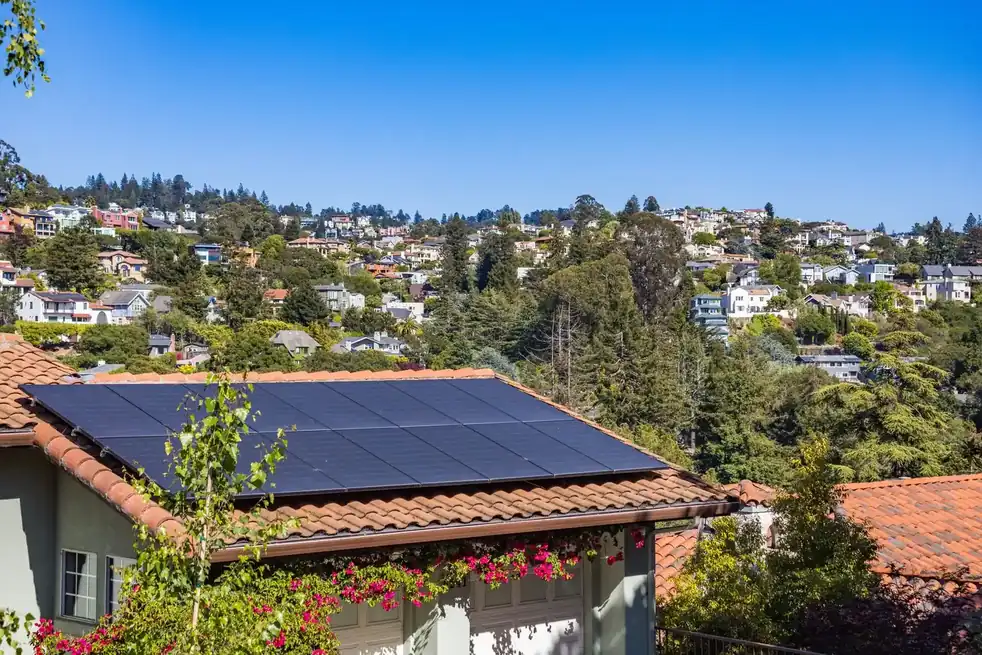
Solar panels confuse most listing copy. Here is how to write about energy-efficient solar homes so buyers understand the benefit in seconds.
Most listings for energy-efficient solar homes read like an equipment manual. Panel wattage, inverter brands, kilowatt hours. Buyers do not shop for kilowatt hours. They shop for lower bills, a comfortable home, and a house that feels modern. Sell those outcomes first and let the specs support them.
The problem is that most agents go to one of two extremes. Some bury the solar features in a single line at the bottom of the description, as if the panels were an afterthought. Others oversell them with promises about savings they cannot prove. Both approaches lose buyers.
This article shows you the middle path: lead with the benefit, turn the electric bill into a selling point, explain the system in plain English, and handle the hard questions about leases and warranties before buyers ask them. Each section includes a copy-paste AI prompt.
This article builds on the AI Prompts for Real Estate Agents, and it pairs with the AI Listing Copy for Fixer-Uppers: Turn Flaws Into Features Without Lying (2026) and the AI Condo and Townhome Listing Copy: Sell the Lifestyle, Not Just the Unit (2026). Test your drafts with the Listing Description Generator.
Lead With the Benefit, Not the Equipment
Buyers decide with feelings and justify with facts. A buyer falls in love with a bright kitchen, a low electric bill, and a home that feels ahead of its time. Nobody falls in love with a panel spec sheet, so open with the life the home makes possible, then add the equipment as proof.
The order matters. Start with comfort and cost, then name the system. "Wake up in a sun-filled home where the roof works for you" beats a line of panel specs every time.
The benefit-first solar description prompt
"Write a 120-word listing description for a 4-bedroom energy-efficient solar home in [city]: open with the daily benefit of lower bills and a comfortable home, then mention the rooftop solar system, its age, and one energy-efficient feature inside. Warm, plain English, no jargon."
Why it works: it forces the benefit into the first sentence and keeps the specs in a supporting role.
Turn the Electric Bill Into a Selling Point
The electric bill is the most persuasive document a solar home has, and most agents never use it. Ask the seller for 12 months of bills, then describe what they show in honest, plain language.
Never invent a savings figure. Savings vary by system size, location, weather, and utility rates, and a number you guess today becomes a complaint tomorrow. Instead, quote what the seller actually paid and let the buyer draw the conclusion, then pair the bills with the installer documents so the buyer can verify the details.
The electric bill proof prompt
"Rewrite this listing paragraph using the seller's actual electric bills: the seller paid [average monthly amount] over the last 12 months and the installer documents show [system size and install year]. Describe the benefit honestly, say savings vary by usage and utility rates, and invite buyers to review the bills."
Why it works: it turns a real document into trust instead of turning a guess into a liability.
Explain the Solar System in Plain English
Most buyers have never owned a solar home. They do not know what an inverter does, what a lease means, or whether the panels come with the house. Answer those questions in words a first-time buyer understands.
Keep the explanation to two or three short sentences. Name the system type, say whether it is owned or leased, and state what transfers to the buyer. Save the detail for the showing, where you can walk the buyer through it in person.
The plain English solar explainer prompt
"Explain this solar setup in 3 short sentences a first-time buyer can understand: [owned or leased, panel count, install year, battery or no battery, warranty remaining]. Say clearly what transfers at closing. Simple words, no technical terms, no hype."
Why it works: it removes the confusion that makes buyers skip solar homes and replaces it with a clear yes or no on ownership.
Write a Headline That Stops the Scroll
The headline is the only part of your listing every buyer reads. In a feed full of "beautiful 4 bed 2 bath" headlines, a solar home headline can stand out, but only if it names the benefit. "Solar powered" alone is a feature, not a benefit. Pair it with the outcome: comfort, savings, or modern living.
Test your headline against a simple rule. If it could describe any house in the neighborhood, it is too generic. If it names the solar benefit and the home in one line, it earns the click.
The solar headline generator prompt
"Write 10 listing headlines for an energy-efficient solar home in [city] with [beds] beds and [baths] baths: each under 10 words, each pairing the solar benefit with the home itself, warm and specific. Then rank the top 3 and explain in one sentence why each one works."
Why it works: it produces headlines that sell the benefit and the home together instead of generic lines any listing could use.
Handle the Buyer Questions Before They Ask
Every solar home listing gets the same five questions: owned or leased, what happens at closing, how old are the panels, is there a warranty, and what will the bill look like? Answer them up front.
Build a short "solar facts" block into every solar listing. Five lines, plain language, no fluff: ownership status, install year, warranty remaining, what transfers, and where to see the bills. It signals that you and the seller have nothing to hide, and that confidence sells homes.
The solar facts block prompt
"Build a 5-line solar facts block for a listing: ownership status, install year, panel count, warranty remaining, and what transfers at closing, based on [seller documents]. Plain language, one fact per line, no claims about future savings."
Why it works: it answers the five questions every buyer asks, before they have to ask them.
Market the Whole Efficient Home, Not Just the Panels
Solar panels are the headline feature, but the efficient home is the real product. Insulation, efficient windows, a heat pump, a smart thermostat, and LED lighting all shape the monthly bill and the comfort of the home.
Walk the home and list every efficiency feature, then group them into a short paragraph that reads like a story. "The roof makes power, the windows keep it in, and the heat pump uses it wisely" tells a buyer more than a bullet list of model numbers.
The whole-home efficiency prompt
"Write a 100-word paragraph that markets the whole efficient home, not just the solar panels: rooftop solar plus [insulation, efficient windows, heat pump, smart thermostat, LED lighting]. Connect each feature to comfort or lower bills. Warm plain English, no technical terms."
Why it works: it turns a list of features into a story about a comfortable, efficient home.
Write Copy for Solar Homes in Every Season
Solar homes sell differently in July than in January, and your copy should reflect that. In summer, buyers feel the air conditioning and picture the panels working hardest. In winter, buyers worry about short days and cold rooms, so talk about insulation and even heat.
Match the season to the benefit. Summer copy leads with cooling comfort and bright living spaces. Winter copy leads with warmth, low drafts, and steady bills. Spring and fall copy leads with fresh air and natural light. One description, adjusted for the season, reads far better than a generic paragraph used all year.
The seasonal solar copy prompt
"Rewrite this solar home listing description for [season] in [city]: lead with the benefit that matters most this season (cooling comfort in summer, warmth in winter, natural light in spring and fall), keep the solar system to 2 sentences, and end with one line about year-round efficiency."
Why it works: it makes the listing feel current and relevant instead of a generic paragraph used in every season.
Proofread for Claims You Cannot Back Up
Solar copy is where agents get into trouble, because the claims are specific and checkable. Before you publish, read your description as a skeptical buyer would. Every number needs a source.
Run a simple check. Cross out every sentence that claims a specific saving, a payback time, or a future bill amount, unless the seller's documents prove it. What is left is the honest description you should publish, and the documents go in the showing packet so buyers can verify everything.
The solar claims audit prompt
"Audit this solar home listing description for claims I cannot back up: flag every sentence that states a specific dollar saving, payback period, or future bill amount, and rewrite each one using only the seller's actual bills and installer documents. Return the corrected description and the list of documents a buyer should see."
Why it works: it catches the risky claims before a buyer or their agent does, and it keeps your listing honest.
Frequently Asked Questions
Should I mention solar panels in the listing headline?
Yes, when the system is a real selling point. Pair it with the benefit, not just the feature, and only if the bills and documents back up the claim.
How do I write about savings without making promises?
Use the seller's actual bills and installer documents, and say savings vary by system, location, and utility rates. Describe what the seller paid, invite the buyer to review the bills, and never state a dollar saving or payback figure you cannot prove.
What if the solar system is leased, not owned?
Say so clearly in the listing. Explain the lease terms in plain language, state the monthly payment, and confirm what transfers at closing. Buyers accept leased systems when the facts are clear.
Do buyers care about energy efficiency or just the look?
Both. The look gets them in the door, and efficiency closes the deal when the buyer compares monthly costs. Copy that pairs a beautiful home with honest bill proof gives the buyer two reasons to say yes.
How do I describe the system if I do not understand it?
Ask the seller and the installer for the documents, then write only what the documents say. Use the plain English explainer prompt in this article to turn the paperwork into three clear sentences.
Should I include photos of the panels in the listing?
Yes. Include one clear roof photo so buyers see the panels are in good shape, and make sure the interior photos show the comfort the system supports.
The Shortcut
Copy for energy-efficient solar homes works when it leads with the benefit, proves the claim with real bills, and answers the hard questions before buyers ask them. AI drafts the description, the headlines, and the solar facts block in minutes with the prompts in the AI Prompt Pack for Real Estate Agents. You bring the documents and the local knowledge no tool can replace.
Get the AI Prompt Pack, $39, instant download →
Related reading: AI Prompts for Real Estate Agents · AI Listing Copy for Fixer-Uppers: Turn Flaws Into Features Without Lying (2026) · AI Condo and Townhome Listing Copy: Sell the Lifestyle, Not Just the Unit (2026)
Get the AI Prompt Pack, $39, one time (opens in new tab). 209 prompts that write listings, ads and follow-ups like these, ready to paste.