 AIPrOoHub
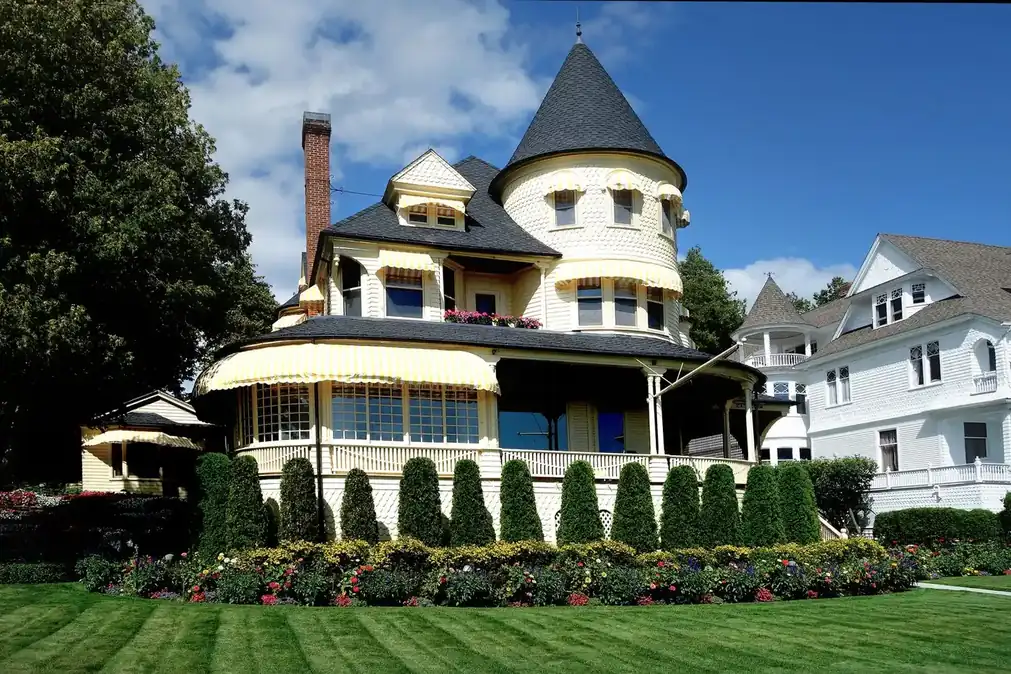
Historic homes sell on character, and character is hard to describe without sounding vague or overselling the condition. Here is how AI helps you write historic home listing copy buyers trust.
A historic home is not a commodity, and its listing copy should not read like one. Buyers who shop for a 1920s Craftsman or a Victorian with a wraparound porch are buying story, craft, and a feeling they cannot get from new construction. Historic home listing copy has one job: make that feeling concrete in words, while staying honest about what a hundred year old house really is.
The trap is overselling. AI models love superlatives, and historic homes invite them. A buyer who tours the home and finds a tired roof, a forty year old furnace, and a kitchen last updated in the 1980s will feel misled, and a misled buyer does not make an offer. The best historic home copy pairs vivid detail with plain honesty.
This article gives you the prompts to do it: how to describe period details so buyers can picture them, how to talk about old systems without scaring anyone off, what to say about historic district rules, and how to write headlines, MLS remarks, and open house talking points. Every prompt is copy-paste ready.
This article builds on The Complete Guide to AI Prompts for Real Estate Agents (2026), and it pairs with AI Listing Copy for Fixer-Uppers: Turn Flaws Into Features Without Lying (2026) and AI Condo and Townhome Listing Copy: Sell the Lifestyle, Not Just the Unit (2026). Run every draft through the Listing Copy Grader before it goes live.
Lead With Character, Not Condition
The first line of a historic home listing sets the tone for everything after it. Lead with the one detail a buyer will remember after the showing: the original oak staircase, the stained glass transom, the wraparound porch where summer evenings happen. Condition comes later, in its own honest paragraph, where it belongs.
New construction listings lead with square footage because that is all they have. A historic home has something rarer, and burying it behind bedroom counts wastes the advantage.
The character first opening prompt
"Write the opening paragraph for a [year built] [style] home in [neighborhood, city]: lead with the single most distinctive original feature, support it with two more period details, and name the neighborhood in one sentence. Vivid, no superlatives, under 120 words."
Why it works: it puts the home's rarest asset first, where buyers actually read.
Turn Period Details Into Buyer Benefits
Original woodwork, built-in cabinetry, plaster walls, and masonry fireplaces are features, not trivia. The mistake is listing them like an inventory: "original woodwork, built-ins, fireplace." Buyers skim inventories. They remember benefits: the built-in bookcase that makes the living room feel like a library, the deep window seats that turn a rainy afternoon into a reading spot.
Give the AI the feature and ask for the feeling it creates, then check the result against the real home. If the house has no window seat, the copy must not invent one.
The period feature to benefit prompt
"Turn these period features into buyer benefits: [list 5 features, e.g. original oak floors, built-in bookcases, clawfoot tub, stained glass, brick fireplace]. For each, write one sentence naming the feature and one describing the daily life benefit it creates. Factual, no invented features, warm tone."
Why it works: it turns a feature list into a picture of daily life in the home.
Honest Language for Old Systems and Deferred Maintenance
Every historic home has old systems: a furnace with years on it, older wiring in places, a roof near the end of its life, a basement that gets damp in spring. Pretending otherwise is the fastest way to lose a buyer at inspection, and in some markets it can create real disclosure problems. Honest copy does not hide the age of the home; it frames it plainly and pairs it with what has been updated.
The language matters. "Original 1925 plumbing" sounds like a warning; "original fixtures with updated supply lines in 2018" tells the same truth and gives the buyer something solid. Ask for the update history alongside the age, and forbid minimizing words like charmingly dated.
The honest condition paragraph prompt
"Write a condition paragraph for a [year] home with these facts: [roof age, furnace age, electrical notes, plumbing updates, known issues]. State the age of each system plainly, note every update with its year, and avoid minimizing language. Under 150 words."
Why it works: it gives buyers the facts they need to decide, which builds the trust that closes.
Historic District Rules Buyers Need to Know Before They Fall in Love
A home in a historic district comes with rules, and buyers deserve to know them before they fall in love with the porch. Exterior changes often need approval, window replacements may be restricted, and additions can face a review process that takes months. None of this is a reason not to buy, but all of it is a reason to buy informed.
Keep the copy general and point buyers to the source. Name the district, note that exterior changes typically require review, and tell the buyer to confirm the current rules with the local historic preservation office and their broker, because rules vary widely.
The historic district explainer prompt
"Write a short paragraph on historic district rules for a home in the [district name] in [city]: note that exterior changes usually need approval, that rules vary by city, and that buyers should confirm the current requirements with the local historic preservation office and their broker. General information, not legal advice, under 100 words."
Why it works: it prevents a nasty surprise after closing, and informed buyers are confident buyers.
Headlines That Stop the Scroll Without Overselling
The headline is the only part of the listing every buyer reads. For historic homes, the best headlines name the era and the detail in the same breath: "1924 Craftsman With Original Built-Ins on a Tree Lined Street." It promises character and delivers a fact.
Ask AI for a batch of ten, then pick the one that is true. A headline should be checkable at the front door: if the porch is not wraparound, the headline must not say it is.
The honest headline batch prompt
"Write 10 headlines for a [year] [style] home in [neighborhood]: each under 12 words, naming the era and one specific original feature, no superlatives, no claims the showing cannot prove. Then rank them."
Why it works: it gives you a batch to choose from, and the accuracy rule keeps every option honest.
MLS Remarks That Tell the Story in 1000 Characters or Less
MLS remarks are short, and historic homes need more words than most. The trick is to spend the characters on the details no other home has, and to cut everything generic. "Open concept living" tells a buyer nothing; "original pocket doors between the parlor and dining room" tells them everything.
Write the remarks in three beats: the era and the street, the features that make the home memorable, and the practical facts. Then cut it to fit the limit without losing a single period detail.
The MLS remarks prompt
"Write MLS remarks for a [year] [style] home, [beds] beds, [baths] baths, [lot size], in [neighborhood]: three beats, era and street first, then the 3 most distinctive original features, then practical facts and update years. Under 1,000 characters, no confusing abbreviations, no superlatives."
Why it works: it forces the scarce characters onto the details that differentiate the home.
Open House Talking Points That Build Trust on the Spot
At an open house, the historic home sells itself in person, and your job is to answer the questions buyers are too polite to ask: How old is the roof? Has the wiring been updated? What can I change, and what needs approval? A one page sheet of talking points keeps your answers consistent and honest, and it gives buyers something to take home.
Build the sheet from the real facts of the house. List the update years, the known quirks, and the district rules, then add one verified story about the home: who built it, or what the neighborhood looked like then. Stories sell historic homes; unverified stories embarrass agents.
The open house talking points prompt
"Build a one page open house talking points sheet for a [year] [style] home: the 5 questions buyers always ask with honest one sentence answers, the update history with years, the district notes, and one verified story about the home. Warm, factual, no invented history."
Why it works: it turns nervous questions into trust, and trust into offers.
Run Every Draft Through the Listing Copy Grader
Historic home copy has more ways to go wrong than standard listings: a superlative that oversells, a detail the home does not have, a district rule stated as fact. A final pass catches all three. Read the draft aloud, check every period claim against the home, and run it through the grader for a second opinion.
Build the habit into your workflow: draft with AI, verify the facts, grade the copy, then publish. The extra ten minutes protect the listing, the seller, and your reputation.
The historic copy audit prompt
"Audit this historic home listing for accuracy and honesty: flag every superlative, every period claim I cannot verify, every statement that minimizes a problem, and every district rule stated as fact. For each flag, write a one sentence fix. Listing: [paste listing]."
Why it works: it catches the exact errors historic home copy is prone to, before buyers do.
Frequently Asked Questions
How do I describe a historic home without overselling it?
Lead with specific period details you can prove, state the age of major systems plainly, and pair every old feature with its update history. If the showing cannot prove a claim, cut the claim.
Should I mention the year the home was built in the headline?
Yes, when the year is a selling point and you have verified it. The era is often the reason a buyer clicks.
What should I say about a historic district in the listing?
Name the district, note that exterior changes usually need approval, and tell buyers to confirm the current rules with the local historic preservation office and their broker.
How do I write about deferred maintenance honestly?
State the age and condition of each system plainly, list the updates with years, and avoid minimizing words like "a little dated." Buyers respect candor and punish surprises.
Can AI write historic home copy on its own?
AI drafts fast, but it invents period details and superlatives unless your prompt locks it to verified facts. Give it the real feature list and check every claim before you publish.
Do historic homes need different listing photos?
The photos are the same, but the captions are not. Name the original detail and its era in each caption.
The Shortcut
Historic home listing copy works when it is specific, honest, and full of the period details buyers cannot get anywhere else. Lead with character, describe condition plainly, explain the district rules, and grade every draft before it goes live, using the prompts in the AI Prompt Pack for Real Estate Agents.
Get the AI Prompt Pack, $39, instant download →
Related reading: AI Listing Copy for Fixer-Uppers: Turn Flaws Into Features Without Lying (2026) · AI Condo and Townhome Listing Copy: Sell the Lifestyle, Not Just the Unit (2026)
Get the AI Prompt Pack, $39, one time (opens in new tab). 209 prompts that write listings, ads and follow-ups like these, ready to paste.