 AIPrOoHub
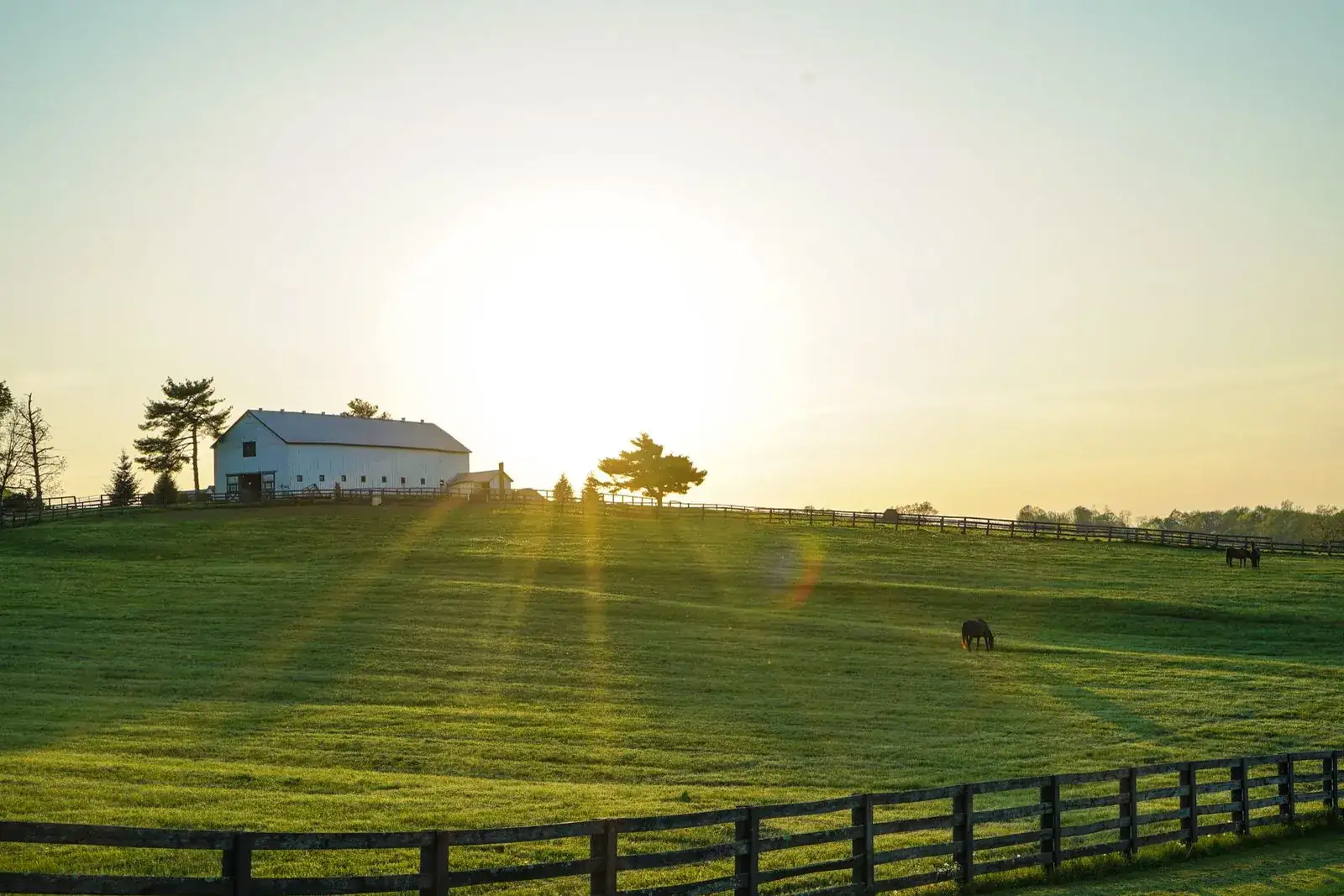
Horse buyers read listings like inspectors. Here is how AI helps you write horse property copy that answers their real questions.
Horse property listing copy fails in a very specific way: it reads like a normal house listing with the word "barn" added at the end. Horse buyers do not shop that way. They scan a listing for stall count, pasture acreage, fencing type, arena size, hay storage, water sources, trailer access, and zoning, and if those details are missing, they move on. The house matters, but the horse setup is the reason they clicked.
Equestrian properties are also a niche where honesty sells better than hype. A buyer who keeps horses knows what a barn costs to fix, what bad fencing means, and what poor drainage does to a pasture. Copy that hides problems loses trust fast, and copy that names the work honestly, with a plan, keeps serious buyers in the conversation. AI can help you write all of this quickly, as long as you feed it real specs.
This article shows you how to write horse property copy that converts: the details buyers search for, barn specs as story, honest copy for work needed, photo order and captions, and AI prompts for headlines, MLS remarks, and social posts.
This article builds on the The Complete Guide to AI Prompts for Real Estate Agents (2026), and it pairs with the AI Listing Copy for Land, Lots and Acreage: Selling Empty Land With Words That Work (2026), plus the Waterfront Listing Description With AI: Sell the View Without the Cliches. Draft with the Listing Description Generator before you publish.
The Details Horse Buyers Search For First
Horse buyers filter listings the way other buyers filter by bedrooms: they have a checklist, and a listing that does not answer it gets skipped. Before you write a word of copy, build the checklist for the property. How many stalls, and what size? How many acres of pasture, and is it cross fenced? What type of fencing, and what condition is it in? Is there an arena, and what are its dimensions and footing? Where is hay stored, and how much fits? What does the zoning allow?
The horse buyer checklist prompt
"Build a horse buyer spec checklist for a property in [county, state]: stall count and size, pasture acreage, fencing type, arena dimensions and footing, hay storage, water sources, trailer access, and zoning limits. Then turn my notes into a 150 word opening that answers the top five items first. Notes: [paste notes]."
Why it works: it puts the buyer's real questions first.
Stalls, Pasture, and Fencing: The Core Spec Sheet
Stalls, pasture, and fencing are the three details that decide whether a horse buyer keeps reading. Write them as numbers, not adjectives. "Six 12 by 12 stalls with rubber mats, Dutch doors, and a wash rack" tells a buyer everything. The same rule applies to pasture: "12 acres in three cross fenced paddocks with run in sheds" is copy. Name the type, the height, the condition, and the last time it was repaired. If the fencing needs work, say so plainly, because the buyer will see it on the first walk.
The barn spec sheet prompt
"Turn this barn spec sheet into a 250 word listing section: stall count and size, aisle width, tack room, feed room, wash rack, mats, doors, and ventilation. Use exact numbers from the sheet, and do not add features that are not listed. Spec sheet: [paste spec sheet]."
Why it works: every number comes from your sheet, so buyers trust it.
Arena, Hay Storage, and Water: The Daily Routine Test
The daily routine test is the best way to write about arenas, hay, and water: walk through a normal day with horses on the property, and write what you see. Where is the hay, and how far is the carry? How many water sources are there, and do they freeze in winter? An arena needs dimensions, footing type, drainage, lighting, and whether it is covered or open. "A 60 by 120 arena with sand footing and French drains" is a fact a rider can evaluate. Water needs source count, location, and freeze protection.
The daily routine prompt
"Write a 300 word 'a day with horses here' section for [property]: morning feeding and turnout, arena use, hay storage and the carry distance, water sources and freeze protection, based only on these owner notes. Use exact numbers and do not invent features. Owner notes: [paste notes]."
Why it works: it proves the property works for daily horse care.
Trailer Access and Zoning: The Deal Breakers
Trailer access and zoning are the two details that kill deals late, so they belong early in your copy. A property can have perfect stalls and beautiful pasture, but if a three horse trailer cannot turn around on the driveway, or the zoning caps the property at two horses, the buyer finds out eventually. Describe trailer access concretely: driveway width, surface, turn radius, and where the trailer parks. Zoning is the same: state the zoning designation, the horse limit if the county publishes one, and whether boarding is allowed, and tell the buyer to verify with the county.
The access and zoning prompt
"Write a 200 word section on trailer access and zoning for [property]: driveway width and surface, trailer turn area, the zoning designation, the published horse limit, and whether boarding is allowed, using only the facts in these notes. End with a line telling buyers to verify zoning with [county] before making an offer. Notes: [paste notes]."
Why it works: it surfaces deal breakers early.
Turning Barn Specs Into a Story
Specs answer the buyer's checklist, but stories make them feel the property. Six stalls become "six horses fed and turned out before breakfast." Twelve cross fenced acres become "three paddocks that rotate through the seasons." A 60 by 120 arena becomes "room to school a full dressage test without leaving home." The trick is to keep the story anchored to the specs. If the story invents a feature, it becomes hype, and horse buyers punish hype harder than any other buyer group, because they have been burned by it before.
The barn story prompt
"Turn this spec sheet into a 300 word story section: for each spec (stalls, pasture, fencing, arena, hay, water), write one sentence about what a day looks like with horses here. Keep every claim tied to a spec on the sheet, do not invent features. Spec sheet: [paste spec sheet]."
Why it works: it turns specs into copy a buyer can feel.
Honest Copy for Properties That Need Work
Many horse properties need work: a barn roof with five years left, fencing that needs a season of repairs, a pasture that needs reseeding, an arena that needs new footing. Honest copy about these issues sells better than hiding them, because horse buyers expect work and budget for it. Write about needed work the same way you write about strengths: specific, scoped, and forward looking. Pair each issue with the plan: what it costs, how long it takes, and what the property offers while the work happens.
The honest repair copy prompt
"Write a 200 word section on work needed at [property]: for each item (roof, fencing, pasture, footing), state what needs doing, the scope, the owner's estimate of cost and time if known, and what the property still offers during the work. Honest and forward looking. Items: [paste list]."
Why it works: it builds trust with buyers who know barn costs.
Photo Order and Captions That Sell the Setup
Horse buyers judge a listing by its photos before they read a word, so photo order is part of the copy. Lead with the horse setup, not the house. The order that works: the barn exterior, the stall row, the arena, the pasture and fencing, the trailer turn area, the hay storage, then the house. Captions matter as much as order. Every photo needs a caption with a fact: "Six 12 by 12 stalls with Dutch doors and rubber mats," not "beautiful barn." Captions are where buyers confirm the specs they read in the copy, so the numbers in the captions and the numbers in the text must match exactly.
The photo caption prompt
"Write captions for these horse property photos, one sentence each, with an exact spec in every caption (stall size, arena dimensions, pasture acres, fencing type). Do not add features not in the photo notes, and keep the numbers identical to the spec sheet. Photos: [paste photo list with notes]."
Why it works: your photos become a second spec sheet.
Headlines, MLS Remarks, and Social Posts With AI
One listing needs many versions of the same copy: a headline, MLS remarks with a character limit, a social post, and an email subject line. Headlines should lead with the horse facts, not the house: "6 Stalls, 12 Acres, 60x120 Arena" beats "Charming Farmhouse on Acreage" for this buyer. MLS remarks need the specs in order of buyer priority, inside the character limit, with no wasted words. Keep one master spec sheet and generate every format from it, so the numbers never drift between versions.
The multi-format copy prompt
"Using this spec sheet for [property], write: (1) five headlines under 60 characters, each leading with a horse fact, (2) MLS remarks under 800 characters with specs in buyer priority order, (3) three social posts under 100 words each, and (4) three email subject lines under 50 characters. Use only facts from the sheet, keep numbers identical across formats. Spec sheet: [paste spec sheet]."
Why it works: every format comes from one verified source.
Frequently Asked Questions
What details do horse buyers look for first in a listing?
Stall count and size, pasture acreage and cross fencing, fencing type and condition, arena dimensions and footing, hay storage, water sources, trailer access, and zoning.
Should horse property copy lead with the house or the barn?
Lead with the horse setup. Horse buyers clicked because of the equestrian features, so the barn, stalls, pasture, and arena belong in the headline and the first paragraph.
How do I write honestly about a barn that needs work?
Name the issue, scope it, and give the plan: what needs doing, what it costs, and how long it takes. Pair each repair with what the property still offers.
What is the best photo order for a horse property listing?
Barn exterior, stall row, arena, pasture and fencing, trailer turn area, hay storage, then the house. Lead with the setup, and caption every photo with an exact spec.
How do I check zoning and horse limits for a property?
Check the county zoning office or the county website for the zoning designation and any published horse limit, and tell buyers to verify before making an offer. Zoning rules vary by county and can change.
The Shortcut
Horse property listing copy sells when it leads with the facts horse buyers search for, turns barn specs into a day in the life, stays honest about what needs work, and uses the prompts in the AI Prompt Pack for Real Estate Agents.
Get the AI Prompt Pack, $39, instant download →
Related reading: AI Listing Copy for Land, Lots and Acreage: Selling Empty Land With Words That Work (2026) · Waterfront Listing Description With AI: Sell the View Without the Cliches
Get the AI Prompt Pack, $39, one time (opens in new tab). 209 prompts that write listings, ads and follow-ups like these, ready to paste.