 AIPrOoHub
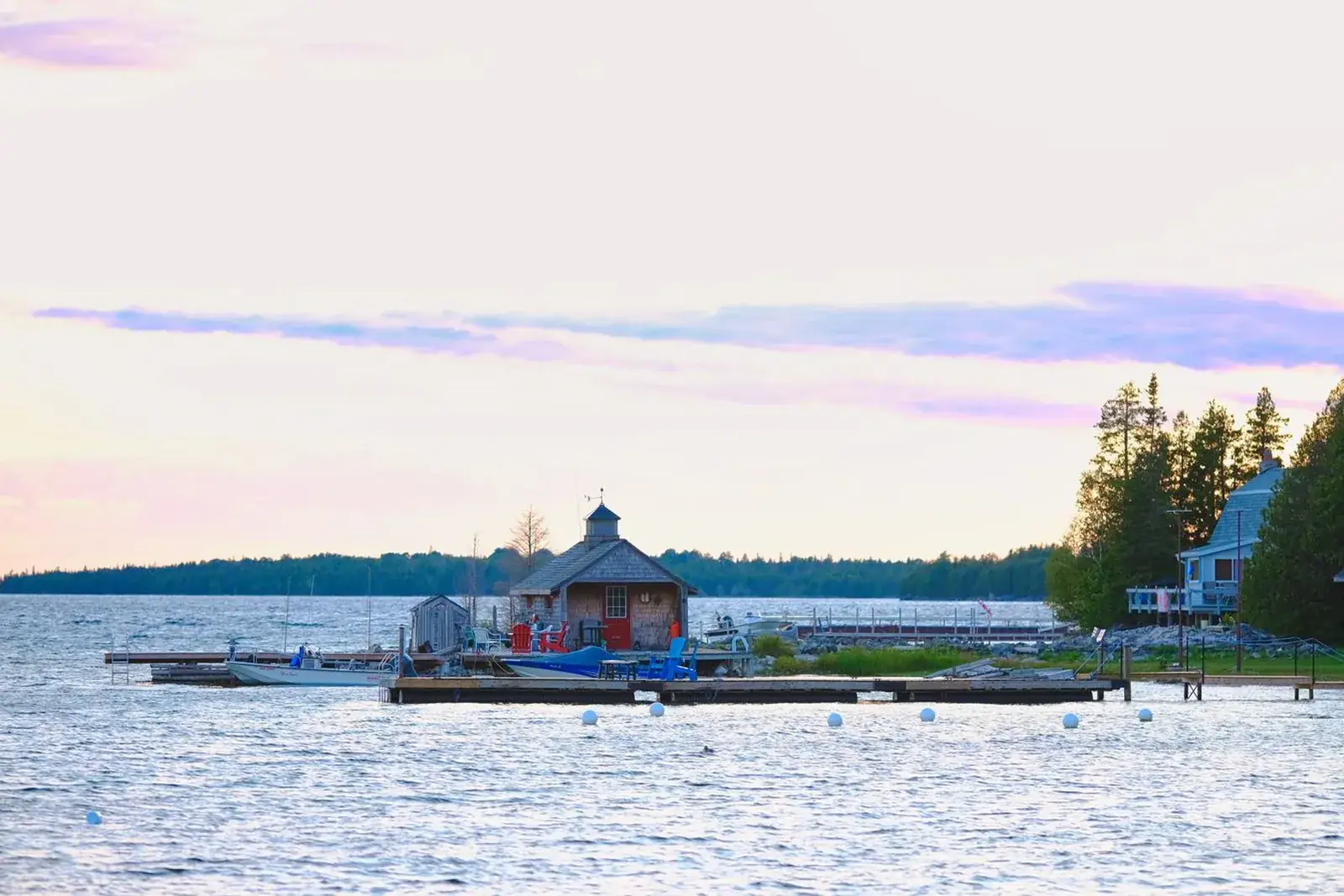
A waterfront listing description full of stock phrases costs you buyers. This AIPrOoHub system sells the water with specifics, not cliches.
Your waterfront listing description has one job: making a buyer feel the shoreline before they book the showing. The problem is that most shoreline copy reads like it was pasted from one tired template: "breathtaking views," "your own private paradise," "wake up to the sound of waves." Buyers in lake country have read those lines a hundred times, and the words stop meaning anything after the third scroll.
This matters because water is the premium: a lakefront buyer pays 20 to 60 percent more than for an identical home two streets inland. Generic copy gives that premium no story, so the buyer's brain quietly asks whether the price is justified. This guide gives you the system: cliche killers, sensory prompts, the water-first structure, compliant shoreline language, and ad-ready spin offs. Start drafts with the free Listing Description Generator, build the broader skill with AI prompts for real estate agents, and borrow tone discipline from AI for Luxury Listing Copy: Words Worthy of the Property (2026) and How to Write MLS Descriptions With AI: Step-by-Step (2026).
Why Waterfront Copy Fails: The Cliche Problem
Read ten lakefront listings in a row and you will see the same eight adjectives doing all the work: stunning, breathtaking, gorgeous, serene, tranquil, spectacular, beautiful, amazing. When every listing claims breathtaking views, the phrase carries zero information, and buyers read it as filler.
The second failure is vagueness. "Steps from the water" can mean a private beach, a shared path, or a cliff you cannot descend. Every vague line creates doubt.
The cliche audit prompt
"Review this waterfront description: [paste draft]. List every cliche and vague adjective, quote each, and replace it with a sensory alternative from these property facts: [paste shoreline, dock, water details]. American English."
Why it works: it names the enemy list and forces every replacement to come from your facts, not the model's filler habits.
Build Your Cliche Ban List First
Before you generate anything, build the ban list your prompts will enforce. The universal bans: stunning, breathtaking, gorgeous, serene, tranquil, spectacular, amazing, incredible, majestic, magical, paradise, oasis, gem, rare, one of a kind, must see, will not last, priced to sell.
Then add your market's regional cliches. In lake markets: "lake life," "lakefront lifestyle," "waterfront living at its finest." Regional cliches hurt more because they make your listing indistinguishable from every neighbor's. Keep the list at 15 to 25 phrases and review it twice a year.
The ban list builder
"Build a waterfront cliche ban list for [lakefront/coastal/riverfront] homes in [market]: 20 banned phrases, 10 universal and 10 regional. For each, give one replacement pattern with a bracketed placeholder, like [dock length in feet]. American English."
Why it works: it turns your regional knowledge into a reusable asset that every future listing prompt inherits.
The Sensory Specificity System
Great waterfront copy works through the senses: sight, sound, touch, then the feeling those create. The mistake is stopping at sight. "Sunset views" is sight. "Sunset over the point, with the dock lights coming on as the water goes gold" is sight plus time plus atmosphere.
Sound is the most underused sense in shoreline listings: lake chop against a seawall, ocean surf at night, river current over rocks. One honest sentence of sound makes a listing memorable. Collect these facts at the appointment: the view from the main window, sounds at 8 a.m. and 8 p.m., how the water feels at the shoreline, and the sun position.
The sensory interview prompt
"Ask me 8 questions, one at a time, to gather sensory details for a waterfront description: view from main living areas, morning and evening sounds, shoreline surface, sun position, unique water features. Then write a 150 word description. Ban these cliches: [paste ban list]. American English."
Why it works: the interview extracts what a form would miss, and puts details ahead of adjectives, which is the whole game.
The Water-First Description Structure
Most agents write the house first and the water second. Flip it. The water-first structure runs: hook on the water (2 sentences), the shoreline experience (dock, beach, view from inside), then the home itself, then the location close.
The buyer clicked because of the water. If the first 80 words describe the counters, the brain files this as "nice house, also on water" instead of "the water home I have been looking for." Close by returning to the water.
The water-first outline generator
"Write a 220 word waterfront description using the water-first structure for: [paste facts]. Paragraph 1: two sentence water hook. Paragraph 2: shoreline, dock, and access with measurements. Paragraph 3: interior in 60 words max. Paragraph 4: location. Final line: a one sentence water callback. Ban these cliches: [paste ban list]. American English."
Why it works: it hard-codes the structure into the prompt, so every draft arrives in the right order.
Shoreline Details That Justify the Premium
The listings that win specify: shoreline length in feet, shoreline surface (sand, rock, seawall), water depth at the end of the dock, dock type and permitted capacity, boat lift details, flood zone and elevation, and the water body's name and size.
These details pre-answer the questions serious buyers ask before touring, which means fewer wasted showings and stronger offers. Get the numbers from the survey, the dock permit, and the flood map; never guess, because one wrong measurement discovered at inspection destroys more trust than ten adjectives could build.
The shoreline spec sheet builder
"Turn these shoreline facts into a 100 word listing section: [paste survey, dock specs, water body facts, flood zone]. Lead with the most impressive measurable fact. Plain language, no cliches. Then give a 3 bullet spec block: shoreline length, dock and lift details, water access. American English."
Why it works: it separates the pretty copy from the proof copy, and listings need both.
Fair Housing Safe Shoreline Language
Waterfront copy has its own fair housing traps, and they are subtler than the classic ones. "Perfect for entertaining" is fine; "perfect for your family gatherings" touches familial status. "A fisherman's dream" implies a buyer type.
The safest habit: describe the water and the land, never the people on them. "Quiet cove" describes the water; "quiet community of professionals" describes the people. When in doubt, the test holds: does this sentence describe the home, or who should live there? Run every draft through the Fair Housing Compliance Checker before it publishes.
The steering-safe shoreline rewrite
"Review this waterfront description for fair housing risk: [paste draft]. Flag any phrase naming or implying a buyer type, family status, or lifestyle class. Quote each flag, explain the risk in one sentence, rewrite it as a property or water fact. Keep the sensory language. American English."
Why it works: it keeps the romance while stripping the risk, and teaches you the pattern line by line.
Seasonal and Regional Adjustments
A waterfront listing in October cannot read like one in June. For fall and winter, lead with the year-round angle: "the cove you will watch freeze from the heated sunroom," or offseason advantages like fishing or the quiet season on a summer lake.
A Maine lake camp, a Texas Hill Country lake house, and a Florida intracoastal home are different products, so tell the model your region and its local details. Also address each water type's anxieties: coastal buyers worry about hurricanes and insurance (answer with elevation and mitigation facts), lake buyers about water levels, river buyers about flooding.
The seasonal rewrite prompt
"Rewrite this waterfront description for [fall/winter/spring] in [region]: [paste draft]. Shift the water appeal to the season: what the shoreline offers now, how the home works with the season, one seasonal sensory detail. Do not describe summer activities as available now. Same length. American English."
Why it works: it stops the copy from fighting the calendar, which is an instant credibility killer.
Spinning One Description Into Ads and Social
One strong description should produce a week of marketing. A Facebook ad headline and body (primary text under 125 characters, shoreline hook first). An Instagram caption (hook in the first line before the fold). A Reels voiceover hook (the single most cinematic shoreline fact in the first 3 seconds). A just-listed email subject line plus preview text.
The rule for every spin off: the water leads, the proof follows, and the call to action is specific.
The marketing spin off pack
"Using this waterfront description: [paste master], generate 4 spin offs: (1) Facebook ad headline under 40 characters plus primary text under 125; (2) Instagram caption with the hook first; (3) a 10 second Reels voiceover hook; (4) a just-listed email subject line plus preview text. Water leads every piece. Ban these cliches: [paste ban list]. American English."
Why it works: it multiplies one good draft into a full campaign without rewriting the core copy.
Frequently Asked Questions
How long should a waterfront listing description be?
Two hundred to 250 words for the MLS, with the water in the first two sentences. Portal and social versions run 60 to 125 words with the same rule: shoreline facts first, house facts second.
Should I name the lake or water body?
Yes, when it helps search and prestige. Named water bodies are keywords buyers type, so name it and add one verifiable fact like acreage. Never imply public access buyers will not get.
What shoreline details matter most?
In order: private versus shared access, shoreline length, water depth at the dock, dock and lift capacity, and flood zone. Get them from the survey and permits, never from memory.
How do I handle a weak or shared waterfront?
Lead with honesty and the real upside: deeded access, the walk time, the view, community beach amenities. Buyers forgive a modest waterfront when the copy is precise; they punish an overstated one at the showing.
Can AI write fair housing compliant waterfront copy?
Yes, with constraints: give the model your cliche ban list, your shoreline facts, and an instruction to describe the property and the water, never the buyer. Then screen every draft with the Fair Housing Compliance Checker.
The Shortcut
Waterfront copy is simple once the system is built: a cliche ban list, five minutes of sensory notes, the water-first structure, and measurable shoreline facts. Run the prompts from the AI Prompt Pack for Real Estate Agents, screen the drafts.
Get the AI Prompt Pack, $39, instant download →
Related reading: AI for Luxury Listing Copy: Words Worthy of the Property (2026) · How to Write MLS Descriptions With AI: Step-by-Step (2026) · Horse Property Listing Copy
Get the AI Prompt Pack, $39, one time (opens in new tab). 209 prompts that write listings, ads and follow-ups like these, ready to paste.