 AIPrOoHub
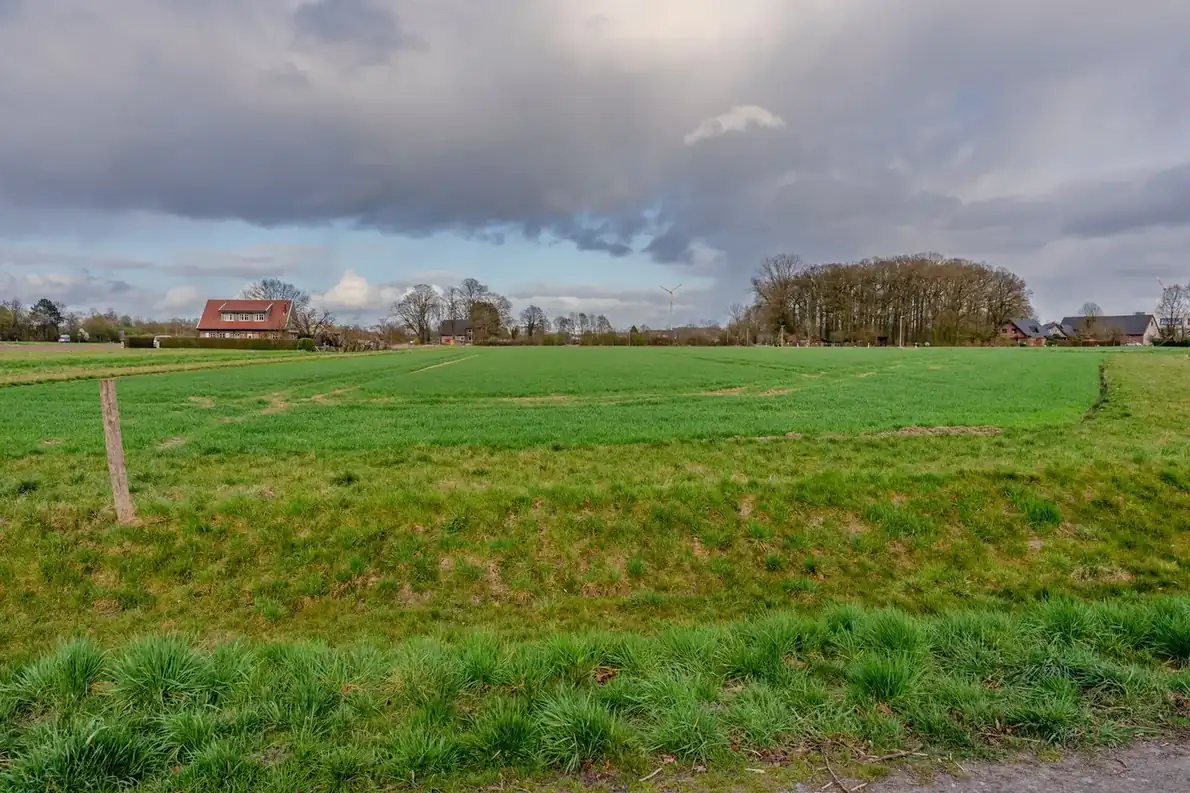
No kitchen to describe, so the land itself carries the listing. This AIPrOoHub system writes vacant land copy that answers the real questions and sells the dream.
Listing a house gives you granite counters and a walk-in pantry to talk about. Listing five acres of pine and pasture gives you dirt. Most agents answer that with three bland sentences about "great potential" and hope the photos do the work. That is why AI listing copy for land matters: empty land demands better writing than houses do, because buyers cannot picture a life on raw acreage without words that paint it.
Land buyers shop differently. They ask about zoning before square footage, well depth before appliances, the survey before the sunset. Your copy must answer those due-diligence questions and sell the dream at the same time. A listing of only facts gets scrolled past; one of only dreams gets dismissed as hype.
AI takes the parcel facts and drafts descriptions for the buyer you choose: homesteader, builder, investor, hunter, weekend-escape seeker. You keep the accuracy job; AI does the writing job. For the prompting basics behind this system, see The Complete Guide to AI Prompts for Real Estate Agents (2026).
Why Land Copy Is a Different Skill
House copy sells what exists. Land copy sells what could exist: a home not yet built, a well not yet drilled, a driveway not yet cut. Every vague phrase becomes a question buyers must call to answer, and most will not call. They scroll to the listing that already answered.
Second, the audience. A house listing has one buyer type; a land listing has five: builder, investor, homesteader, recreational buyer, cash-parking buyer. Copy written for all of them reaches none, so pick a primary buyer and write directly to them.
Third, trust. Land buyers have been burned by "level building site" listings that were hillsides. Specific beats superlative every time: "gentle 5 percent grade, cleared for 40 ft of frontage" converts; "stunning, gorgeous, must-see" does not.
Pick the buyer first
"Act as a land marketing specialist in [market]. Parcel: [acres], [zoning], [terrain], [water and road access facts]. Rank the top 3 buyer audiences with the 5 facts each cares about most, and recommend the lead audience. Practical, American English."
Why it works: deciding the audience up front keeps every sentence aimed at someone.
The Eight Facts Every Land Listing Must Answer
Before AI writes one dreamy sentence, lock the facts. Land buyers run a mental checklist, and every gap is a reason to move on. Cover all eight somewhere in the listing or its data fields: zoning and permitted uses, buildable status or perc test results, water source, power and utilities at or near the lot, road access and maintenance, floodplain and wetland status, survey availability, and HOA or deed restrictions.
The description itself must answer the three buyers feel most: what can I do here, how do I get water and power, and what does getting started cost. Feed AI the facts as a structured list so it cannot invent the ones you lack.
Lock the facts before the poetry
"Write a 150 to 200 word land description for [acres] in [market], zoned [zoning], using ONLY these verified facts: [paste facts]. Do not invent utilities, boundaries, or buildability. Plain, specific, American English. End with 'Survey and [document] available on request.'"
Why it works: "use only these facts" kills hallucination, and the closing line signals a serious seller with paperwork.
Selling Views, Soil, and Water
Facts answer questions; sensory detail creates desire. Land copy needs both in the same paragraph, in a rhythm you can teach an AI: one sentence of fact, one sentence of feeling. "Perc test passed for a 4-bedroom conventional system" is the fact. "That puts your homesite high and dry, with the valley view your morning coffee deserves" is the feeling. Fact, feeling: the reader trusts you and wants the land.
Soil and water are the two features agents describe worst. "Good soil" means nothing; "deep loam, cross-fenced, currently in hay" has the horse buyer calling. Name water specifically, then what it lets the buyer do: the creek, the recorded well agreement, or municipal water at the lot line with a tap fee of [amount].
Never write "amazing views." Write what you see, where, and when: "western exposure over [valley name], full sunset color from the clearing at the top of the drive." Put the buyer on the land before they visit it.
The fact-feeling rhythm
"Rewrite these land facts into 200 words using a fact-feeling rhythm: alternate one specific verified fact with one sensory sentence. Facts: [paste]. Audience: [audience]. Concrete American English, no superlatives like 'stunning.' Add no facts I did not provide."
Why it works: the rhythm constraint produces copy that reads trustworthy and vivid at once.
Buildable Lots: Answering Can I Build Here
A buildable lot listing lives or dies on one question: can I build here, and what will it cost to start. Write it like a builder's cheat sheet in plain language. Lead with the rules that matter: setbacks, height limits, minimum square footage, architectural review. Then utilities, then access.
Do not bury the restrictions; buyers find them in due diligence anyway, and late discovery feels like deception. "Covenants require 1,800 sq ft minimum, no manufactured homes, full copy in documents" reads as confidence and filters out buyers the lot was never right for.
For infill lots, give builders the numbers they run: dimensions, buildable envelope, tap fees, and nearby new-construction price per square foot. When the math works in the copy, serious buyers call. Investors building rentals on lots can borrow rent-side framing from Rental Listings AI Copy.
Speak the builder's numbers
"Write a 175-word description for a buildable lot: [dimensions], [subdivision or location], [market]. Cover zoning and key restrictions in plain language, utility status and tap fees, road access, and these new-construction comps: [comps]. Audience: custom-home buyer with a builder. Confident, specific, American English."
Why it works: builder math in readable copy attracts the buyer and their builder in one read.
Acreage and Ranch Land: Selling the Lifestyle
Acreage listings sell a life, not a parcel. Name the life first, the acreage second. "Wake up to elk in the meadow" beats "40 acres, more or less" as an opener, as long as the facts follow immediately.
Structure ranch copy around use cases, since ranch buyers buy for a purpose: cattle, horses, hunting, timber, or a family compound. Give the top two genuine uses a short paragraph each. "Cross-fenced into 4 pastures, 2 stock ponds, carrying capacity of roughly [number] pairs per the current lease" sells the cattle buyer; "whitetail corridors along the creek bottom" sells the hunter. If the property includes a residence, give the house the treatment in AI Luxury Listing Copy and keep the land in this chapter's voice.
Water and access decide ranch deals, so name every source, its reliability, and any rights, and describe access honestly: county-maintained gravel to the gate is a selling point; a seasonal easement must be stated plainly with the recorded document referenced. Ranch buyers respect candor and punish surprises.
Lead with the use case
"Write a 250-word ranch description for [acres] in [market]: one lifestyle opening paragraph, then the top 2 genuine use cases with specifics: [use case 1], [use case 2]. Then water and access facts. Confident ranch-country American English, no clichés, only my facts: [facts]."
Why it works: one structure lets a cattle buyer and a hunter both see themselves in the same listing.
The AI Land Copy System
One-off prompts produce one-off copy. A system produces consistent listings in twenty minutes. Run four prompts in order: audience picker, fact-lock draft, fact-feeling rewrite, portal-optimization pass. Each output feeds the next, so the final copy is audience-targeted, fact-safe, vivid, and formatted for real buyers.
The portal pass matters because most buyers meet your copy on Zillow, LandWatch, or Realtor.com, where the first 200 characters become the preview snippet. Run the chain through the AI Listing Description Generator for speed: paste your fact sheet, pick the land audience, and it handles structure while you truth-check.
Want every prompt in this system ready to copy? Get the AI Prompt Pack ($39) →
Finish with a guardrail pass, since misrepresentation claims are expensive. Never state an unsurveyed boundary, call nearby utilities "available," or describe who should live there. Have AI audit the draft against your fact sheet.
The portal pass plus the audit
"Take this land description: [paste draft]. Produce: a 200-character portal preview hook, the full text in short paragraphs with key facts bolded, and a 50-word social caption with 5 hashtags for [market]. Change no numbers. Then audit it against these facts: [paste facts], flagging unsupported claims and fair housing risks, with fixes. Be strict."
Why it works: the audit is a second set of eyes that catches confident-sounding inventions a tired brain misses.
Copy That Pre-Qualifies Buyers
Great land copy filters as well as attracts. Every listing wastes showings on unqualified buyers: the dreamer with no concept of well costs, the buyer who needed municipal sewer on a septic-only road. Stating realities upfront trades a smaller inquiry pile for a far better one.
Write confidently, not apologetically. "Access is 1.2 miles of private gravel, maintained by the road association at $400 per year" is a qualifier that saves you a Saturday. "Power is at the lot line; well and septic by buyer, typical area well depth 180 to 220 ft" tells the serious buyer what to budget and tells the unserious one to keep scrolling.
End with a showing instruction for land reality: boots, daylight, sometimes a gate code. "Call for the gate code and survey map before visiting; allow an hour, wear boots" sets expectations, cuts no-shows, and signals an agent who knows the land.
Qualify in the copy
"Add a 75-word practical-realities paragraph to this description: [paste draft]. Cover access, utilities the buyer installs, and costs like road dues or tap fees: [facts]. Confident, matter-of-fact tone. Then write a 2-sentence land showing instruction (gate code, daylight, boots). Specific, American English."
Why it works: matter-of-fact qualifiers turn objections into proof of expertise, which land buyers shop for.
Frequently Asked Questions
How long should a land listing description be?
Longer than most agents write: 175 to 250 words for lots, 250 to 350 for acreage, since land buyers need more facts. Put the hook and the single most important fact in the first 200 characters for portal previews, then let the full description sell.
Can AI write the whole land listing, or do I edit it?
You edit it, non-negotiable. AI drafts structure, rhythm, and buyer language well, but it cannot verify a boundary, a perc test, or a water right. You truth-check every claim, and nothing publishes until facts match paperwork.
What should I never claim in land listing copy?
Never claim an unsurveyed boundary, utilities as "available" when only nearby, or exact acreage when records disagree. Never describe who should live there or use coded area language. When in doubt, cite the document: "per the 2024 survey."
How do I describe land I have never walked?
Walk it, or say so. If you cannot visit before listing, stay strictly factual, skip sensory detail, and tell buyers you will walk it with them. Buyers forgive an agent who has not visited; they do not forgive sensory detail that proves false.
Does land listing copy help with SEO and portals?
Yes, more than house copy does, because land searches are long-tail and specific: "5 acres well water [county]," "buildable lot [subdivision]." Work those phrases into the first paragraph naturally: acreage, zoning, water source, area name. Specific facts double as search terms.
The Shortcut
You now have the full system: the buyer audience, the eight facts, the fact-feeling rhythm, lot and ranch structures, the portal chain, the guardrail audit, and copy that pre-qualifies. Run it on your next land listing. Buyers who can picture themselves on the land call; buyers who cannot keep scrolling.
Get the AI Prompt Pack, $39, instant download →
Related reading: The Complete Guide to AI Prompts for Real Estate Agents (2026) · AI Luxury Listing Copy · Rental Listings AI Copy · Multi-Family Listing Copy · Horse Property Listing Copy · Short-Term Rental Listing Copy
Get the AI Prompt Pack, $39, one time (opens in new tab). 209 prompts that write listings, ads and follow-ups like these, ready to paste.