 AIPrOoHub
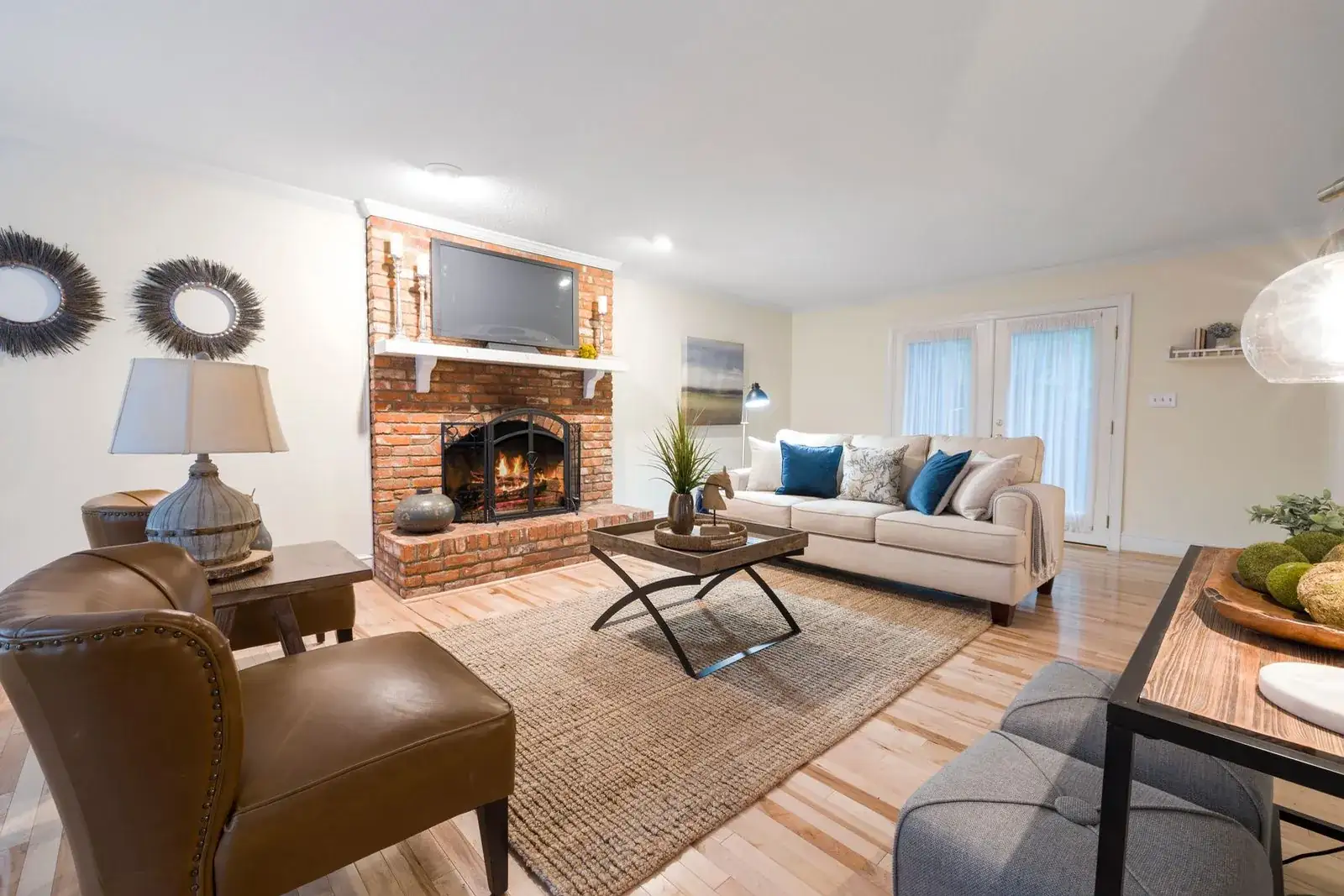
Vacation rental guests book from photos and the first two lines of a listing. Here is how AI helps you write short-term rental listing copy that ranks, answers real questions, and books more nights.
A short-term rental listing is not a home listing, and writing it like one costs bookings. Home buyers want square footage and schools; guests want to know where they will sleep, whether the WiFi can handle a video call, where they will park, and how they get in at midnight. Short-term rental listing copy answers those questions before the guest has to ask.
The second difference is search. Airbnb and Vrbo rank listings on relevance, and the title and the first lines carry the most weight. A title stuffed with adjectives ranks worse than one that names the place, the size, and the amenity guests search for. AI generates variations fast, but only a prompt built on real guest questions produces copy that converts.
This article covers the whole guest journey in words: titles that rank, opening lines that hold the click, amenity copy that answers the real questions, house rules guests actually read, seasonal pricing notes, and the guest messages that turn a booking into a five star review. One thing AI cannot do: check your city's short-term rental rules, which vary widely, so verify permits and limits with your city and your broker before you publish.
This article builds on The Complete Guide to AI Prompts for Real Estate Agents (2026), and it pairs with Rental Listing Copy With AI: Fill Vacancies Faster (2026) and AI Listing Copy for Land, Lots and Acreage: Selling Empty Land With Words That Work (2026). Draft and polish every description with the Listing Description Generator.
The Title Does the Heavy Lifting
On Airbnb and Vrbo, the title is a search tool first and a headline second. Guests search by place, by group size, and by the amenity that matters to them: a hot tub, a pool, a workspace, a fenced yard. A title that names those three things ranks for the searches that book. A title full of adjectives ranks for nothing, because nobody searches for those words.
Ask AI for a batch of titles, then test them against one rule: could a guest find this listing by searching for the words in the title? If not, the title is decoration, not marketing. Keep the best three and rotate them seasonally.
The search first title prompt
"Write 10 Airbnb titles for a [beds] bed, [baths] bath [type, e.g. cabin, condo, house] in [neighborhood, city]: each under 50 characters, naming the place, the guest count, and one top amenity. No adjectives, no emojis. Then rank them by search relevance."
Why it works: it forces the title to work as a search term, which is how guests actually find you.
The First Two Lines Decide the Click
Guests decide in seconds. The first two lines of a description are the only part most guests read before they scroll to photos or check the price, so those lines must carry the whole pitch: where the stay is, who it sleeps, and the one thing that makes it different.
The formula is simple: place and size first, the signature amenity second, the feeling third. "Two bedroom cottage, five minutes from the beach, with a wraparound porch and a fire pit for evening marshmallows." A guest who can picture the trip is a guest who starts a booking.
The two line opener prompt
"Write the opening two lines for a [type] in [place]: line one names the location, the size, and the guest count; line two names the best amenity and the feeling it creates. Under 50 words total, warm and specific, no superlatives."
Why it works: it puts the booking decision in the first two lines, where guests actually read.
Sleeping Setup: The Question Every Guest Asks First
The most common guest question is also the simplest: where will everyone sleep? A listing that says "sleeps six" without saying how leaves the guest guessing, and guessing guests book elsewhere. Name every bed, every room, and every sleeping surface, including the sofa bed, and say who each one suits.
Be honest about the sofa bed. Guests who discover it at midnight leave one star reviews; guests who knew in advance leave five. AI can format the sleeping arrangement into a clean list from your facts, but only you know which bed is the comfortable one.
The sleeping arrangement prompt
"Write a sleeping arrangement section for a rental that sleeps [number]: list every bed by room, size, and type, note shared bathrooms, and flag the sofa bed honestly. Clear, scannable, under 120 words."
Why it works: it answers the first question every group asks, before they have to message you.
Workspace, WiFi, and the Work From Anywhere Guest
Remote workers are now a large share of short-term rental guests, and they filter on two things: a real workspace and WiFi they can trust. A photo of a laptop on a kitchen counter does not count. Name the desk, the chair, the monitor, and the measured WiFi speed, and you will win bookings from guests who work from the road.
Quote a real number. Run a speed test at the property and put the result in the listing. "Fast WiFi" means nothing; "200 Mbps, tested this month" means a video call will not drop. Update the number when the plan changes.
The workspace and WiFi prompt
"Write a workspace section for a rental with [desk details, chair, monitor, WiFi speed]: name the desk and chair, the monitor if any, the measured WiFi speed, and the quietest room for calls. Under 100 words, factual."
Why it works: it speaks directly to the fastest growing guest segment, with a number they can trust.
Parking, Check In, and the Practical Details Guests Scan For
Guests scan for the practical details the way buyers scan for square footage: parking, check-in time, how they get the key, and whether the place is up stairs or has an elevator. A listing that hides these details forces the guest to message you, and every message is a chance to lose the booking to a listing that answered already.
Put the answers in the description, not just in the booking confirmation. Parking is a deal breaker for road trip guests, and check-in flexibility is a deal breaker for late flights. State the facts plainly, including the limits.
The practical details prompt
"Write a practical details section for a rental in [place]: parking, check-in and check-out times, how guests get in, stairs or elevator, and luggage storage. Plain and complete, under 120 words."
Why it works: it removes the friction that kills bookings, by answering before the guest asks.
House Rules in Friendly Language Guests Actually Read
House rules fail when they read like a lease. Guests skim rules, so the rules that get read are short, friendly, and explained. "Quiet hours after 10 pm, so the neighbors can sleep" will be followed far more often than "No noise after 10 pm."
Keep the list to five or six rules at most, and put the most important one first. Cover the essentials: quiet hours, smoking, pets, parties, and checkout. The rest belongs in the house manual, not the listing.
The friendly house rules prompt
"Write house rules for a short-term rental in [place]: 5 rules covering quiet hours, smoking, pets, parties, and checkout. Each under 20 words, friendly, with a one phrase reason. No legal language."
Why it works: friendly rules get read and followed, and they set the tone for the whole stay.
Seasonal Copy and Pricing Notes That Fill Slow Weeks
A short-term rental has slow weeks, and slow weeks need different copy. The same cabin is a ski base in January and a lake house in July, and the listing should say so. Seasonal copy ranks for seasonal searches and gives past guests a reason to come back in a different season.
Update the title and the first lines with the season, and note the details that matter: the fireplace in winter, the air conditioning in summer, the holiday lights in December. Keep a calendar of when to swap the copy, so the listing never advertises a pool in January.
The seasonal copy prompt
"Write seasonal copy for a rental in [place]: a winter version, a summer version, and a holiday version. Each updates the title and the first two lines, names one seasonal amenity, and notes one seasonal practical detail. Under 80 words per version."
Why it works: it keeps the listing relevant all year, and relevant listings fill slow weeks.
Guest Messages: From Inquiry to Five Star Review
The booking is not the end of the marketing; it is the middle. The messages between booking and check-out decide the review, and the review decides the next booking. A warm confirmation, clear check-in instructions, and a well timed review request are worth more than any ad.
Automate the routine and personalize the rest. The confirmation and check-in instructions can be templated, but the welcome message should mention something real: the weather, a local event, a restaurant you like.
The guest message template prompt
"Write 5 guest message templates: booking confirmation, pre-arrival tips, check-in instructions, mid-stay check-in, and review request. Each under 80 words, warm and personal, with placeholders for names, dates, and door codes. Then add a one line personalization idea for each."
Why it works: it turns a transaction into a stay guests remember, and remembered stays get five stars.
Frequently Asked Questions
What should my Airbnb title include?
The place or neighborhood, the size, and the top amenity guests search for. Keep it specific and honest.
How long should a short-term rental description be?
Long enough to answer the real questions, short enough to scan. Most guests read the first two lines, the sleeping setup, and the amenities, so put the essentials first.
Should I mention the WiFi speed?
Yes, if you have measured it. Remote workers filter on WiFi, and a real number beats a vague promise.
How do I write house rules guests will actually read?
Keep them short, friendly, and specific, and lead with the reason, not the rule.
Do I need a permit to list on Airbnb or Vrbo?
It depends on your city and, in some markets, your building or HOA. Rules, permits, and night limits vary widely, so verify with your city and your broker before you publish.
Can AI write my guest messages too?
Yes, for the routine ones: booking confirmations, check-in instructions, and review requests. Keep the tone warm, and always read the message before it goes out, because a wrong door code is a guest problem, not a typo.
The Shortcut
Short-term rental listing copy works when it answers the guest's real questions in the order they ask them: the title that ranks, the first lines that hold the click, the sleeping setup, the workspace, the practical details, and the friendly rules. Draft it with AI using the prompts in the AI Prompt Pack for Real Estate Agents, verify the facts, and check your local rental rules before you publish.
Get the AI Prompt Pack, $39, instant download →
Related reading: Rental Listing Copy With AI: Fill Vacancies Faster (2026) · AI Listing Copy for Land, Lots and Acreage: Selling Empty Land With Words That Work (2026)
Get the AI Prompt Pack, $39, one time (opens in new tab). 209 prompts that write listings, ads and follow-ups like these, ready to paste.