 AIPrOoHub
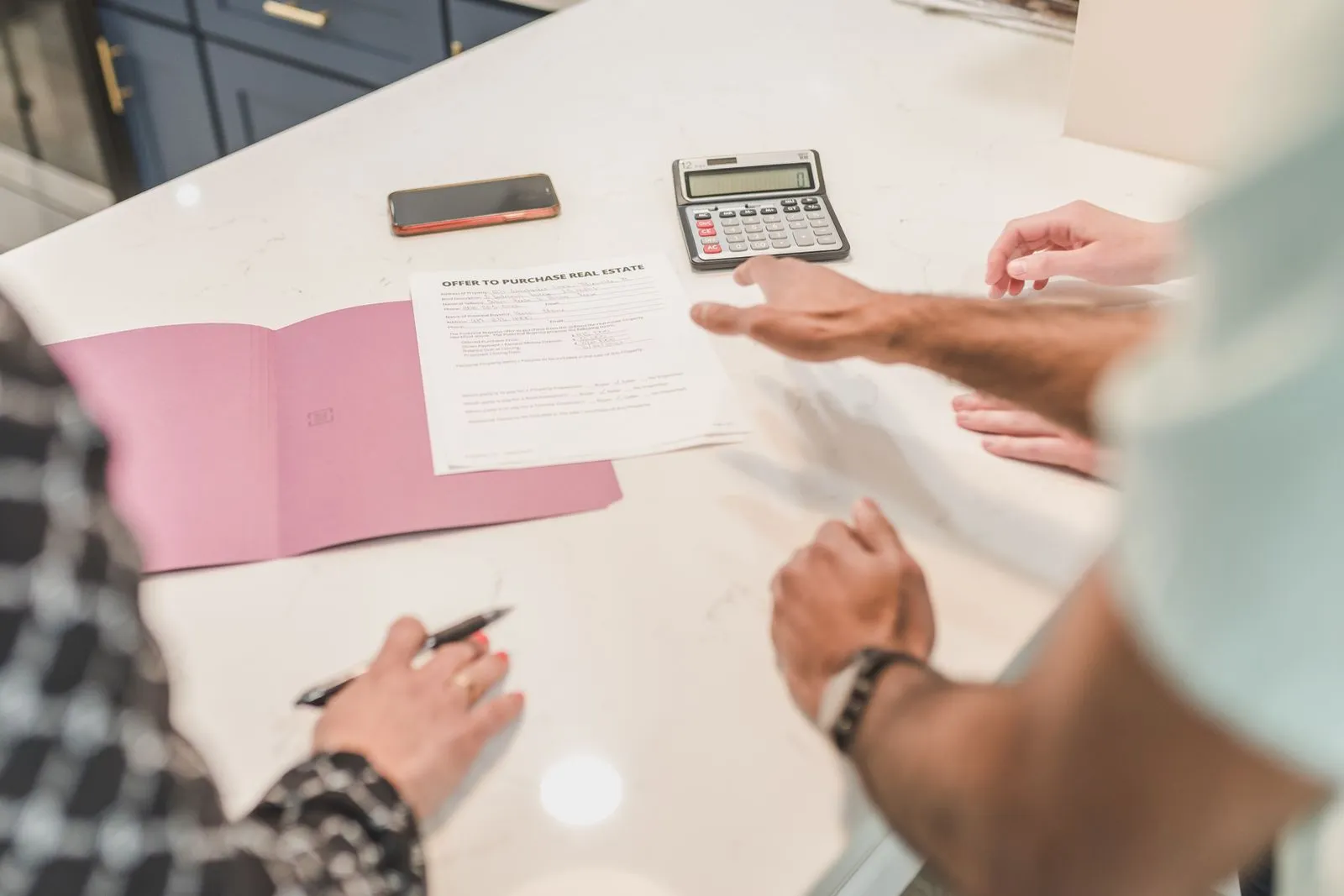
The listing appointment is won before you ring the doorbell. Here is how AI builds the pre-listing packet that does the winning.
Most listing appointments are lost in the first ten minutes, when the seller realizes the agent knows nothing about their house. A pre-listing packet fixes that: a short research dossier proving you did homework nobody else bothered to do. Solid listing appointment prep is why prepared agents walk out signed.
It used to take a full day. AI compresses the work to about two hours: it drafts each piece from your data, you verify and sharpen, and the packet goes out polished.
What Actually Goes in a Pre-Listing Packet
A pre-listing packet is evidence of research, not a marketing brochure. Keep it to eight to twelve pages, in this order:
- Cover letter (one page). Personal and property-specific, with one line proving you researched them.
- Property research summary (one page). Lot, beds/baths, last sale, permits or additions on record.
- Comparable sales snapshot (one to two pages). Three to five recent sales with a short narrative on each.
- Neighborhood data snapshot (one page). Activity, price trends, days on market for their area.
- Pricing scenarios (one page). Three list-price options with likely outcomes.
- About you (one page). Credentials, recent relevant sales, one or two seller testimonials.
- Next steps (half page). The appointment agenda and what you need from them.
Leave out company history, metro-wide reports, and any page identical for another seller.
The packet outline builder
"Prepare a pre-listing packet for a seller at [property address] in [city], situation: [relocating, downsizing, inherited]. Outline 10 pages: title, 3 key points, and which data I supply myself ([MY DATA]). Specific to this seller. No company history or metro-wide reports."
Why it works: the [MY DATA] markers force you to supply the facts AI cannot know, which is what makes the packet feel researched.
Research the Seller and Property Before You Arrive
Spend twenty minutes on legitimate research: the county assessor record, prior listing history and photos, permit history, and your intake-call notes. Feed those notes to AI and it turns scattered facts into a one-page briefing.
Verify against official records, since aggregator sites carry stale data. Research the property and the public record, not the seller personally. "I saw the 2019 kitchen remodel permit and the home shows it" is impressive; digging into their private life is creepy.
For seller-motivation context, NAR's research library publishes the annual profile of home buyers and sellers. That background sharpens the whole packet.
The property briefing builder
"Here are my research notes on a listing: [paste assessor data, prior listing history, permit notes, intake answers]. Build a one-page briefing: (1) property snapshot in 4 bullets, (2) what changed since the last sale, (3) 3 observations suggesting selling strengths, (4) 3 questions to ask at the appointment. Mark anything uncertain [VERIFY]. Include no personal information about the seller."
Why it works: raw notes become a structured briefing that ends with appointment questions, so research shapes the conversation.
Build the Comparable Sales Snapshot Page
Sellers judge your pricing by your comps. Twelve sales in a spreadsheet says nothing; three to five comparables with plain-language explanations says you understand their street.
Pick comps like an appraiser: recent sales, tight radius, similar size and condition. Write two to three sentences per comp: what sold, why it is comparable, and what its price means for this listing. Add one honest qualification per comp (superior lot, dated kitchen, busier street). Sellers trust agents who admit what comps do not prove.
Pull comps from your MLS, give AI the addresses, prices, dates, and specs, and let it write the narratives. Never let AI invent a sale.
The comp narrative writer
"Here are 4 comparable sales for [subject address]: [for each: address, sale date, price, beds, baths, square footage, condition notes, one key difference from the subject]. Write a 3-sentence narrative per comp for a seller: what it is, why it is comparable, what its price suggests for their range. Then one paragraph on what the 4 sales say together. Plain language. Do not invent or alter any number."
Why it works: the AI interprets your real data honestly, and the summary paragraph anchors the appointment conversation.
Draft the Neighborhood Data Snapshot
One page answering "what is happening around my house?" A micro snapshot of their immediate area: recent sales activity, list-to-sale ratio, median days on market, inventory direction. Three or four stats, one short paragraph of interpretation.
Pull raw numbers from your MLS, then let AI translate them into seller-readable copy: "well-priced homes near you are selling close to asking in about three weeks" is a sentence a seller can act on.
The neighborhood snapshot translator
"Here is 90-day MLS data for [neighborhood/zip] near [city]: [paste sales count, median sale price, list-to-sale ratio, median days on market, active inventory, plus prior 90 days]. Build a one-page snapshot: 4 stats with one-sentence plain explanations, a 60-word trend paragraph (improving, cooling, steady), and one sentence on listing timing. No jargon. No invented numbers."
Why it works: your data stays accurate while the AI adds the "so what" that raw stats never deliver.
Write the Cover Letter That Gets the Packet Opened
The cover letter is read first and decides whether the rest gets read. Most fail because they are about the agent, not the seller's house.
Use a simple 200-word arc. Paragraph one: the specific thing you know about their property. Paragraph two: the one research insight that matters most. Paragraph three: the appointment agenda. Close with your name and one contact method.
The research-first cover letter
"Write a 200-word pre-listing packet cover letter for a seller at [address] in [city], situation: [situation]. Open with this finding: [e.g., the 2021 addition nearly doubled living space since the 2018 sale]. Key insight: [e.g., similar homes on this street sold 4 percent over asking this spring]. Paragraph 1: the finding. Paragraph 2: the insight and what it means for them. Paragraph 3: the appointment agenda. Warm, plain, about them not me. No hype."
Why it works: leading with a real finding about their home is the fastest credibility you can buy, and it costs twenty minutes of research.
Prepare Pricing Scenario Pages
Sellers want options, not a single number. Show three paths: an aggressive price chasing the top of the range, a market price aligned with the comps, and a quick-sale price to move fast. For the net-proceeds side of each path, see AI Seller Net Sheets: Turn Equity Math Into Listing Wins. One line each on outcome and tradeoff, all grounded in your comps.
This page makes pricing collaborative, and gives the seller a framework to discuss with a spouse. For net-proceeds questions, point them to the plain-language settlement resources at consumerfinance.gov.
The pricing scenario builder
"Listing a home at [address] in [city]. Comps suggest [low] to [high]. Build a one-page table with 3 scenarios: aggressive at [number], market at [number], quick sale at [number]. For each: expected outcome in one sentence, likely days-on-market range, main tradeoff in one sentence. Then a 40-word recommendation paragraph. Honest about uncertainty, no promised results."
Why it works: the hardest conversation in the process becomes a menu of choices, and sellers defend a strategy they chose themselves.
Anticipate Seller Objections in One Page
The packet needs a one-page prep sheet for you, not full rebuttal scripts: the three to five objections this specific seller will most likely raise, each with a two-line response direction and one research fact backing it up.
Build it from their situation: a relocating seller worries about timeline, an inherited-property seller about as-is condition, a peak-year buyer about their number. Feed AI the situation and let it predict the objections.
The objection prep sheet
"Meeting a seller at [address] in [city], situation: [situation]. Predict their 5 most likely objections. For each: the objection in their words, the concern behind it, a response direction, and the research fact that backs it up: [paste 3 to 4 facts]. One page. Calm, honest, no pressure tactics."
Why it works: the "concern behind it" line keeps answers empathetic, and tying each to your research means evidence instead of slogans.
The Two-Hour Assembly System
Work in a fixed sequence and stop polishing:
Minutes 0 to 20: research. County assessor, prior listing history, intake notes. Paste everything into one document.
Minutes 20 to 50: data pages. Pull comps and neighborhood stats from the MLS, then run the briefing, comp narrative, and snapshot prompts. Verify every number.
Minutes 50 to 80: letter and scenarios. Run the cover letter and pricing prompts, and build the scenario numbers with the free Seller Net Sheet Calculator. Read both aloud once; rewrite any sentence that sounds like a template.
Minutes 80 to 100: objection sheet and bio. The objection prep prompt plus your one-page bio. Keep a standing bio and just update the sales list.
Minutes 100 to 120: assemble and proof. Drop everything into your template, check page order, and confirm no leftover markers.
A packet sent 24 hours before the appointment at 90 percent polish beats a perfect packet delivered the morning of.
The assembly checklist generator
"Create a 2-hour pre-listing packet assembly checklist: 5 timed blocks (research 20, data pages 30, letter and scenarios 30, objection sheet and bio 20, assemble and proof 20). Per block: 3 tasks, the AI prompt to run, one verification step. End with a quality checklist: no leftover markers, every number traced to source, 12 pages or fewer."
Why it works: timed blocks turn the build into a production line, and the checklist catches the two credibility killers: unverified numbers and leftover placeholders.
Digital vs Print: How to Deliver It
Email a PDF 24 to 48 hours before the appointment with a two-line note: what the packet covers and the one thing to look at. The advance copy lets the seller read on their own time and arrive with real questions.
Bring a printed copy anyway. A physical packet on the table changes the dynamic: something they can hold that stays behind when you leave. Print in color, single-sided, in a simple folder.
Track the PDF too. Most document tools show when it is opened, so you know whether the seller read it. If they did not open it, start the appointment with a two-minute tour: the research finding, the comp summary, the scenarios. If they did, skip the recap and go to their questions.
Frequently Asked Questions
How far in advance should I send a pre-listing packet?
Twenty-four to 48 hours before the appointment. Earlier it gets buried; the morning of they will not read it. Confirm receipt with a short text the day before.
How long should a pre-listing packet be?
Eight to twelve pages. Long enough to prove real research, short enough to get read. If a seller would not read a thirteenth page at 9 p.m. the night before, cut it.
What if I know almost nothing about the seller beforehand?
Focus the packet on the property and the neighborhood instead of their situation. A strong comp snapshot and neighborhood page still beats showing up empty-handed. Learn their situation at the appointment, then follow up with a revised pricing page within 24 hours.
Should the packet include my commission and fees?
No. The packet builds credibility; the appointment is where value and compensation get discussed. Fees in writing before you have demonstrated value invite a comparison you cannot win yet.
Do sellers actually read pre-listing packets?
They read packets visibly about their house and skim packets visibly about the agent. The research-first cover letter and specific comp narratives are what get read. Track your PDF opens for a month and the reply rate will show the difference.
The Shortcut
If you want every prompt in this article plus 200 more, ready to copy and paste, the AI Prompt Pack for Real Estate Agents is the shortcut: pre-listing research, comp narratives, cover letters, pricing scenarios, and objection prep, written for how listing agents actually work.
Get the AI Prompt Pack, $39, instant download →
Related reading: The AI Listing Presentation That Wins (2026) · How to Present a CMA: AI Narratives That Win Listings (2026) · Objection Handling With AI: The Agent's Playbook (2026)
Get the AI Prompt Pack, $39, one time (opens in new tab). 209 prompts that write listings, ads and follow-ups like these, ready to paste.