 AIPrOoHub
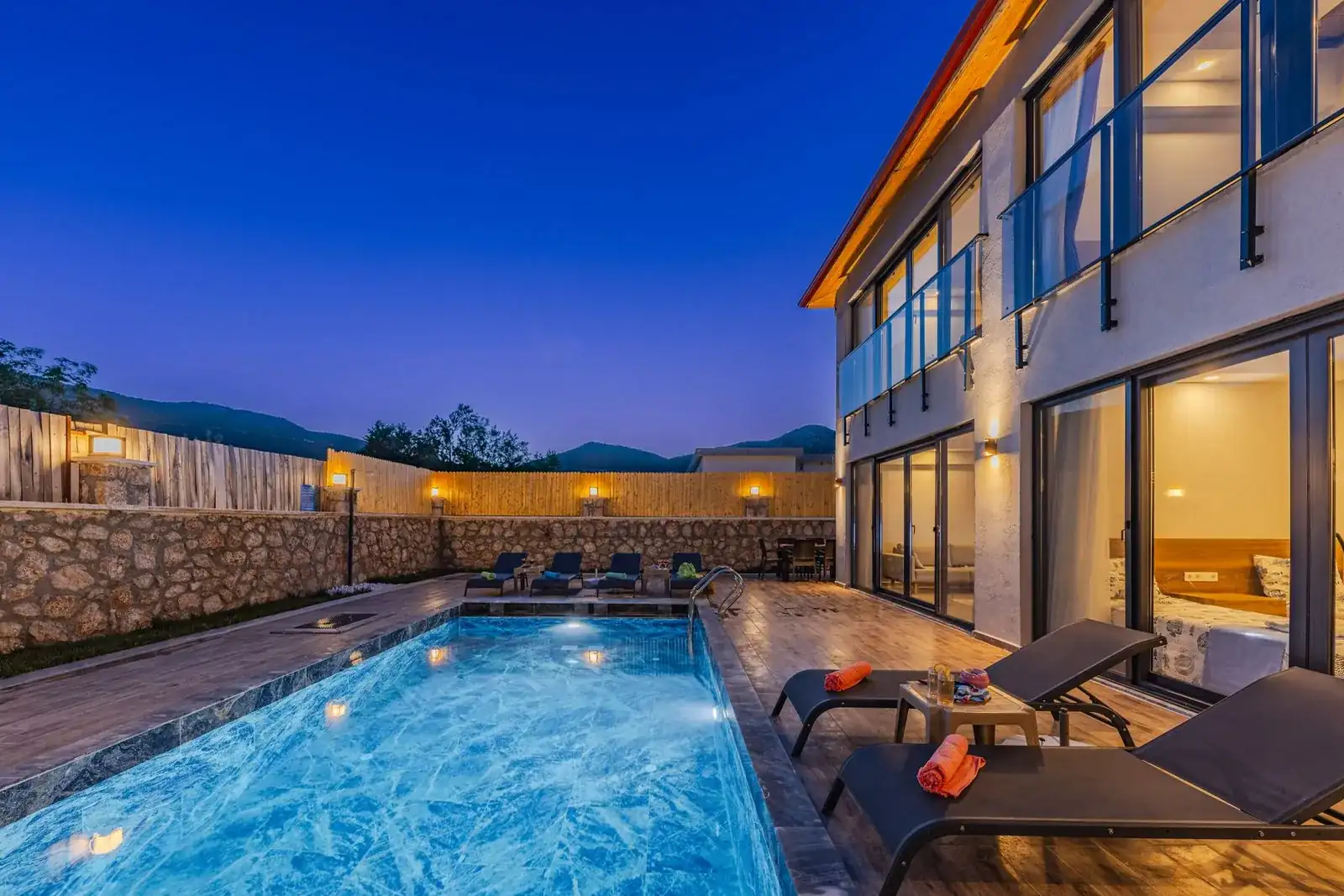
Luxury buyers can smell desperation in a listing description. Write like the home doesn't need selling, and it sells itself.
Here is the uncomfortable truth about luxury listings: the copy is usually the weakest part of the marketing. The photography is stunning, the staging is perfect, and then the description reads like a starter-home listing with the word "luxury" stapled onto it. "Stunning luxury home with breathtaking views! A must see!" That copy does not sell a $2 million home. It embarrasses it. ChatGPT prompts for luxury home listings solve this, but only if you prompt for restraint instead of hype. Luxury copy is a different language, and this guide teaches you to speak it: the vocabulary, the prompts for estates, penthouses, and architectural homes, and side-by-side examples of elevated versus flat copy.
- Why Luxury Copy Is a Different Language
- The Vocabulary of Restraint
- ChatGPT Prompts for Luxury Home Listings: The Core Set
- What to Never Say in ChatGPT Prompts for Luxury Home Listings
- ChatGPT Prompts for Luxury Home Listings: Estates, Penthouses, Architectural Homes
- Elevated vs Flat: Side-by-Side Examples
- Frequently Asked Questions
- The Shortcut
Why Luxury Copy Is a Different Language
Affluent buyers read differently. They have seen hundreds of high-end listing descriptions, and their filter for hype is ruthless. Where a first-time buyer finds "stunning" exciting, a luxury buyer finds it suspicious. Excitement signals that the seller needs the sale. Confidence signals that the home speaks for itself.
The psychology is simple: luxury purchases are about identity and discernment. The buyer is not asking "is this nice?" They are asking "is this right for someone like me?" Your copy answers that question through specificity. "Morning light crosses the limestone terrace by 8 a.m." tells a luxury buyer more than "beautiful outdoor space" ever could. One is a fact they can picture themselves inside. The other is noise.
This is also why generic AI output fails so badly at luxury real estate copywriting. ChatGPT's default register for expensive homes is breathless superlatives, because that is what most luxury listings sound like, and the model imitates the average. Your job is to push it above average with constraints. The prompts below do exactly that.
The Vocabulary of Restraint
Restraint is not about using fancy words. It is about using fewer, truer ones. The luxury vocabulary has three rules:
Rule 1: Nouns over adjectives. "Limestone," "white oak," "brass" do more work than "gorgeous," "stunning," "beautiful." Name the material, the maker, the origin. Specificity is the luxury signal.
Rule 2: Verbs of quiet action. Morning light "crosses" the terrace. The staircase "turns" past a two-story window. The garden "holds" century-old olives. Avoid verbs that shout: no "boasts," no "showcases," no "wows."
Rule 3: Short sentences, generous white space. Luxury copy breathes. One idea per sentence. Short paragraphs. The rhythm itself communicates calm confidence, which is exactly what the buyer is shopping for. Get these three rules right and the luxury tone follows automatically.
Keep a running list of your market's true luxury nouns: the stone quarried nearby, the architect names buyers recognize, the streets that need no introduction. Feed these to ChatGPT in every prompt. The model cannot know that "Cedar Ridge" carries weight in your market unless you tell it.
ChatGPT Prompts for Luxury Home Listings: The Core Set
Three prompts cover nearly every luxury listing. Each one bakes in the restraint rules so you do not have to fight the model's defaults.
Prompt: The luxury listing description
"Write a 200-word listing description for a [price] [property type: estate/penthouse/architectural home] at [location]. Key differentiators: [list 4-6 specific facts: materials, architect, views, provenance, unique features]. Target buyer: [describe: e.g., discerning family relocating from the city, privacy-focused executive]. Rules: use concrete nouns over adjectives. No exclamation points. Never use these words: luxury, stunning, breathtaking, gorgeous, must-see, one-of-a-kind, ultimate, paradise, gem. Show the lifestyle through specific detail; do not name it. Short sentences. Quiet, confident tone."
Prompt: The luxury rewrite
"Rewrite this listing description in a restrained, sophisticated register suitable for a [price] home: '[paste your draft]'. Replace every adjective with a concrete noun or specific fact where possible. Cut all hype. Keep every factual detail accurate; change only tone and word choice. Maximum 200 words. The reader should feel the home is exceptional without ever being told it is."
Prompt: The headline and opening line
"Write five opening lines for a luxury listing at [location], [one defining feature]. Each under 15 words. Each must work as the first sentence a buyer reads. No clichés, no exclamation points, no words from this banned list: [paste your banned list]. Vary the approach: one sensory detail, one architectural fact, one lifestyle implication, one location truth, one quiet statement of scale."
The banned-word list is the highest-leverage part of luxury listing prompts. As the Amplifiles prompt guide notes for its own luxury prompt, avoiding overused words like "stunning" and "gorgeous" is what separates aspirational-but-concrete copy from generic hype. Build your list once, reuse it forever.
What to Never Say in ChatGPT Prompts for Luxury Home Listings
Some phrases actively repel affluent buyers. Ban these from every high-end listing description you publish:
"Luxury home" / "luxury living." If you have to say it, it is not evident. Let the details establish the tier.
"Must see" / "won't last." Urgency tactics belong to discount retail. Luxury buyers do not respond to pressure; they respond to desire.
"Breathtaking," "stunning," "gorgeous." Empty adjectives the buyer has read ten thousand times. Replace each with the specific thing: the 14-foot ceilings, the book-matched marble, the 180-degree canyon view.
"One of a kind" / "rare opportunity." Almost never true, and luxury buyers know it. If the property genuinely has a rare attribute, name the attribute.
"Entertainer's dream." Tells the buyer nothing about the house and everything about the agent's cliché inventory. Describe the actual entertaining spaces instead.
Exclamation points. Every single one. A $3 million home does not exclaim.
The price as the lead. Leading with price frames the home as expensive. Leading with the property frames it as exceptional. Price belongs in the details, not the poetry.
Add your own market's tired phrases to the list. Every luxury market has them, and your copy stands out the moment it stops sounding like everyone else's.
ChatGPT Prompts for Luxury Home Listings: Estates, Penthouses, Architectural Homes
Luxury is not one buyer. An estate buyer, a penthouse buyer, and an architectural-home buyer want different stories. Vary the prompt's emphasis:
Estates: sell land, privacy, and legacy. The prompt addition: "Emphasize: acreage and how the land is used, privacy and gating, the sense of permanence. The buyer is purchasing a family seat, not a house. Mention grounds, mature plantings, and any historical provenance."
Penthouses: sell elevation, service, and turnkey ease. Our luxury condo and penthouse guide covers the building-side version of the same pitch. The prompt addition: "Emphasize: the view as a living artwork that changes through the day, white-glove building services, lock-and-leave convenience. The buyer values freedom from maintenance as much as the residence itself. Mention floor height, exposures, and amenities as services, not facilities."
Architectural homes: sell vision and provenance. The prompt addition: "Emphasize: the architect or movement, the design intent, how the home sits in its setting. The buyer is purchasing a work of design and likely knows more about architecture than most agents. Name the architect, the year, the materials palette. Never dumb it down."
Notice the pattern: each variation names what the buyer is actually purchasing, which is never just square footage. Estate marketing copy sells legacy. Penthouse listing copy sells freedom. Architectural copy sells vision. Get the underlying purchase right and the description writes itself.
Fair housing caution applies at every price point: describe the property, never the ideal occupant. Guidance on keeping AI listing copy compliant, including the phrases that trigger violations, is covered well in this listing-agent AI guide. Luxury language must stay factual about the home.
Elevated vs Flat: Side-by-Side Examples
The fastest way to train your eye is comparison. Same home, two registers.
Flat: "Stunning luxury estate with breathtaking views! This gorgeous 6-bedroom must-see home boasts the ultimate in luxury living. Entertainer's dream with a paradise backyard! Won't last!"
Elevated: "Six bedrooms across 8,200 square feet, set behind gates on 1.8 acres. Walls of glass open to canyon views that shift from morning gold to evening violet. White oak floors, honed marble, a kitchen built around a Lacanche range. The grounds hold century-old olives and a pool positioned for sunset. Ten minutes to the village, entirely apart from it."
The flat version could describe any expensive house on the street. The elevated version could only describe this one. That is the entire test: if your description fits the neighbor's house, it is flat. Specifics are the difference between high-end listing descriptions that convert and ones that merely occupy space on the portal.
One more pair, penthouse:
Flat: "Rare opportunity! Gorgeous penthouse in the sky with stunning city views. Ultimate luxury living awaits!"
Elevated: "Full-service building, 42nd floor, corner exposures east and south. The city performs below from dawn to midnight; the interior stays quiet behind acoustic glass. Private elevator entry, 11-foot ceilings, Bulthauser kitchen. Two parking, storage, and a staff that knows your name."
Run every luxury draft through this test before publishing, and grade the finished copy with the free Listing Copy Grader. If it fits the neighbor's house, send it back to ChatGPT with the rewrite prompt.
Frequently Asked Questions
Won't restrained copy undersell the property?
The opposite. Hype creates skepticism; specificity creates desire. Luxury buyers are persuaded by facts they can verify and details they can picture, not by adjectives. Restrained copy signals confidence, and confidence is what sells at this tier.
How long should a luxury listing description be?
150 to 250 words for the main description. Enough for the differentiating details, short enough to preserve mystique. Save the exhaustive feature list for the brochure or the private showing. The listing description is the invitation, not the tour.
Should I mention the price in the copy?
The price lives in the listing data, not the prose. Leading with price frames the home as expensive; leading with the property frames it as exceptional. The one exception is auction or price-improvement contexts, where the number is the news.
Can I use the same prompts for homes just above my market's median?
Yes, with a lighter hand. The restraint techniques from AI Luxury Listing Copy work at every price point; simply adjust the banned list and the tone. A $700,000 home described with concrete nouns and quiet confidence will outperform the same home described with exclamation points.
The Shortcut
Luxury copy rewards precision, and precision takes the right prompts. The AI Prompt Pack for Real Estate Agents includes done-for-you prompts for luxury listings, estates, penthouses, and architectural homes, with banned-word lists and rewrite frameworks built in, all ready to paste into ChatGPT today.
Get the AI Prompt Pack, $39, instant download →
Related reading: AI Luxury Listing Copy · Pricing Psychology in AI Listing Copy · The AI Listing Presentation That Wins · AI Smart Home Listing Copy That Sells · AI Luxury Condo Listing Copy for Penthouses
Get the AI Prompt Pack, $39, one time (opens in new tab). 209 prompts that write listings, ads and follow-ups like these, ready to paste.