 AIPrOoHub
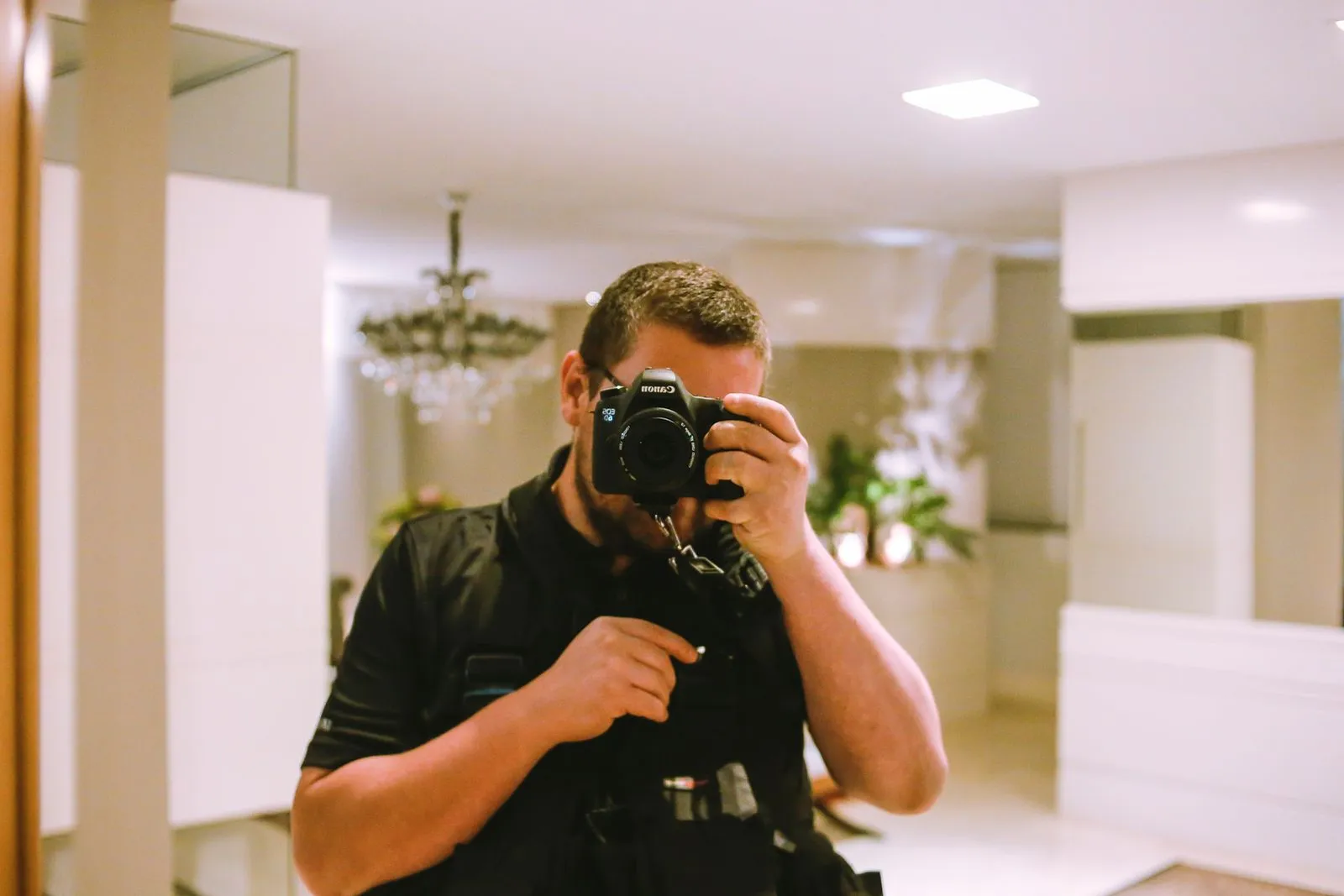
The exact listing photo prep system top agents use: AI-built shot lists, room-by-room styling checklists, and the 48-hour fix list that makes every shoot sell.
A real estate photography checklist separates photos that stop the scroll from photos that get skipped. Buyers decide within seconds whether a listing deserves a click, almost entirely on the first three photos. The camera matters less than you think. What matters is what it sees: styling, light, angles, and the small fixes before the photographer rings the bell. AI builds all that prep room by room in minutes.
Photo prep is one of the few tasks where effort converts directly into dollars. Prepared, professionally shot listings tend to earn more showings, fewer days on market, and higher perceived value than identical homes shot cold. This guide gives you the full system: master shot list, styling checklists, twilight plan, 48-hour fix list.
Why Photo Prep Matters More Than the Camera
You can spot an unprepared listing in two seconds: cluttered counters, crooked blinds, a toilet seat up, cars in the driveway. None of that is the photographer's fault. Photographers shoot what is there. Agents who treat photo day as a production get a completely different product from the same photographer and the same hour of daylight.
The business case is blunt. Strong photography earns dramatically more views, and views convert into showings, which convert into offers. Every link starts with prep, making the shot list the highest leverage document in your listing marketing. It costs nothing and upgrades everything downstream. AI fits because every property needs a custom plan: feed it the rooms, features, and problem areas for a shot list built for that house.
Prompt: The Photo Prep Business Case
Write a 150 word listing presentation script explaining my photo prep to sellers. Cover: why I build a shot list before photo day, my room-by-room styling checklist, and how prepared photography drives showings and offers. Confident, seller-focused. End with one sentence positioning this as something most agents skip.
Why it works: it turns behind the scenes process into a visible differentiator when sellers choose an agent.
Build a Master Shot List Before Photo Day
A master shot list numbers every photo the shoot must capture, in order. It is the most useful thing you can hand a photographer. Start with the hero exterior, then tour the home like a buyer: entry, living areas, kitchen, dining, primary suite, bedrooms, baths, bonus spaces, outdoor living. Note each angle: "wide from the far corner, windows centered" beats "living room photo."
AI builds the first draft from your property details: rooms, standout features, light direction, areas to shoot around. For a typical four bedroom expect 25 to 35 shots with angle notes and checkboxes. Portals reward full sets, and extra frames during a paid shoot cost nothing. Star the three to five money shots that justify the price and brief the photographer on them by name.
Prompt: The Master Shot List Builder
Build a numbered master shot list. Property: [BEDS] bed, [BATHS] bath, [SQFT] sq ft [STYLE] home. Features: [FEATURES]. Minimize: [AREAS]. Best light: [DIRECTION and TIME]. Output 25 to 35 shots in tour order with room, angle note, and stars on the 5 money shots. Include 3 exteriors and 2 twilight shots. Printable checklist with checkboxes.
Why it works: it converts your property knowledge into a shootable plan, so nothing important gets missed and the photographer shoots instead of deciding.
Room by Room Styling Checklists That Sell
Styling is a checklist problem. Each room needs the same tasks: declutter surfaces to three or fewer objects, remove personal photos and paperwork, straighten textiles, maximize light. Living room: pillows fluffed, throws folded with intent. Kitchen: counters cleared except one vignette, like a cutting board with fruit. Bedrooms: beds made hotel tight. Bathrooms: lids down, mirrors spotless, counters nearly empty, shower doors squeegeed.
AI generates a per room checklist tuned to your actual rooms, including the laundry nook generic lists forget. Give it to sellers 72 hours before the shoot, not the morning of. A calm seller stages better than a rushed one. Frame it as teamwork: "the photographer handles the camera, we handle everything the camera sees."
Prompt: The Room by Room Styling Checklist
Create a room-by-room styling checklist for photo day. Rooms: [LIST ROOMS]. Per room list 6 to 10 tasks in shoot-ready order as short imperatives a seller can follow. Add a "camera sees everything" note for baths and kitchens, plus a final 10 item morning sweep. Warm tone. Printable checklist.
Why it works: it hands sellers exact instructions instead of vague advice like "declutter," which is the difference between a styled home and a stressed one.
Exterior and Curb Appeal Prep
The hero exterior is the thumbnail for the entire listing. A week out: lawn mowed and edged, hedges trimmed, mulch refreshed, walkway swept. Cheap fixes with outsized impact, because the exterior sets price expectations first. On shoot morning: cars out of the driveway and off the street, bins in the garage, hoses coiled, toys and tools hidden, patio furniture arranged like a set.
Potted plants by the entry cost twenty dollars and photograph like a hundred. Shoot the exterior first or last depending on light. Morning flatters east facing fronts, evening flatters west. If the front faces the wrong way, the backyard or a strong angle becomes the hero. There is always a best frame.
Prompt: The Curb Appeal Photo Prep
Create an exterior photo prep checklist for a [STYLE] home, [DIRECTION] facing front. Two sections: one week before and morning of, 8 to 12 short imperatives each. Add 3 sentences on the best shoot time for this direction and which angle should be the hero.
Why it works: it separates week-out projects from morning-of details, so nobody is mowing the lawn while the photographer waits.
Planning Twilight and Detail Shots on Purpose
Twilight shots stop thumbs like nothing else, but the window is twenty minutes, so plan it like a production. Confirm twilight with the photographer in advance, learn the exact sunset time, and have every interior light on before it opens, including lamps and under cabinet lighting. Pool, porch, and landscape lights on. The house should glow from the street.
Detail shots are the quiet closers. Plan five to eight: hardware close up, fireplace texture, flowers on the table, the view framed by a window, front door hardware. These do the emotional work wide angles cannot and give your social posts intimate crops. Capture them while styling is perfect and mark them on the shot list.
Prompt: The Twilight and Detail Shot Planner
Plan twilight and detail shots for [DATE] in [CITY]. Build a 30 minute pre-twilight countdown: interior lights, landscape lighting, pool, fireplace, styling touch-ups. Then list 6 to 8 detail shots for [FEATURES], each with a one line composition note. Flag the 2 best social crops and why.
Why it works: it treats the highest click value images as a production with a call sheet instead of leaving them to luck and fading light.
The 48 Hour Pre-Shoot Fix List
Forty eight hours out, walk the property with fresh eyes: cameras magnify every flaw the eye forgives. Replace burned out bulbs, since dark fixtures photograph as dead rooms. Magic eraser scuffed baseboards. Swap dated switch plates for a few dollars each. Bleach pen the bath caulk. An afternoon of micro fixes photographs like a renovation.
Then triage the bigger eyesores. A stained carpet might earn a professional cleaning. A cracked toilet seat is a ten dollar swap. Peeling front door paint is a Saturday project with huge curb appeal return. AI ranks fixes by photographic impact per dollar, so Saturday goes to what the camera sees. Snap phone befores as you walk: sellers love the transformation story.
Prompt: The 48 Hour Fix List Prioritizer
I will describe visible flaws room by room. Categorize each: fix under $50, fix $50 to $200, or shoot around it. Rank the top 10 by photographic impact per dollar with a one sentence reason each. Budget: $[AMOUNT]. Prioritize what the camera sees. Ranked table with costs.
Why it works: it forces spending discipline on pre-shoot fixes, directing every dollar to what actually shows up in the photos.
Turning Photo Prep Into a Listing Presentation Asset
The move most agents miss: the prep system belongs in your listing presentation. Sellers choose agents partly on marketing, and a documented process with a shot list sample, styling checklist, and before and afters is marketing they can touch. It answers the unspoken question: "what will you do differently?" Build a one page "listing photo production plan" leave-behind. You stop promising great photos and start showing the system.
Connect prep to copy: the starred money shots should anchor your MLS remarks and headline. Draft that copy with the free Listing Description Generator once the shot list is set. When photos and description sell the same three features, the listing feels coherent and premium. The workflow in How to Write MLS Descriptions With AI: Step-by-Step (2026) turns starred features into buyer magnet copy, and AI for Luxury Listing Copy: Words Worthy of the Property (2026) keeps high end words worthy of the photos. For vacant listings, prep comes before staging software, as covered in AI Virtual Staging for Empty Listings: A Practical Guide.
Prompt: The Listing Presentation Photo Page
Write a one page "Listing Photo Production Plan" leave-behind: 3 sentence intro framing photo prep as a production, 5 bullets on my process (shot list, styling checklist, twilight plan, 48-hour fix list, photographer briefing), one paragraph linking this to more showings, one confident closing line. Professional, seller-focused, under 250 words, no hype.
Why it works: it productizes your prep into a tangible asset, letting your process compete against other agents' promises.
Frequently Asked Questions
How many photos should a listing have?
Aim for 25 to 40 finished images: every room plus exteriors, twilight, and details. Portals reward complete sets, and extra frames during a paid shoot cost nothing. Fewer than 15 photos signals that something is hidden.
Should the agent or the seller handle the styling?
It is a partnership led by the agent. You provide the checklist and priorities; sellers execute the decluttering. For vacant or high end listings, consider a stager for key rooms. Never leave styling to sellers unguided; "just tidy up" gives inconsistent results.
Are twilight photos worth the extra cost?
Almost always. Twilight images earn a disproportionate share of clicks, and many photographers add them for a modest fee. Confirm in advance, prep the lighting checklist, and treat the twenty minute window like a production.
What if the sellers refuse to declutter?
Show, do not lecture. Pull up two comparable listings, one styled and one not, and ask which looks more valuable. Most resistance melts at the visual difference. Offer a pre-shoot organizer for a few hours; the cost is small against the commission.
Can AI replace the professional photographer?
No, and that is not the goal. AI replaces the planning work: shot lists, checklists, prioritization. The photographer brings the eye, the lighting skill, and the editing. Think of AI as your producer and the photographer as your director. Together they beat either alone.
The Shortcut
If you want every prompt in this article plus 200 more, ready to copy and paste, the AI Prompt Pack for Real Estate Agents is the shortcut: master shot list builders, room-by-room styling checklists, twilight planners, 48-hour fix prioritizers, and photographer briefing scripts, all written for how agents actually work.
Get the AI Prompt Pack, $39, instant download →
Related reading: AI Virtual Staging for Empty Listings: A Practical Guide · How to Write MLS Descriptions With AI: Step-by-Step (2026) · AI for Luxury Listing Copy: Words Worthy of the Property (2026)
Get the AI Prompt Pack, $39, one time (opens in new tab). 209 prompts that write listings, ads and follow-ups like these, ready to paste.