 AIPrOoHub
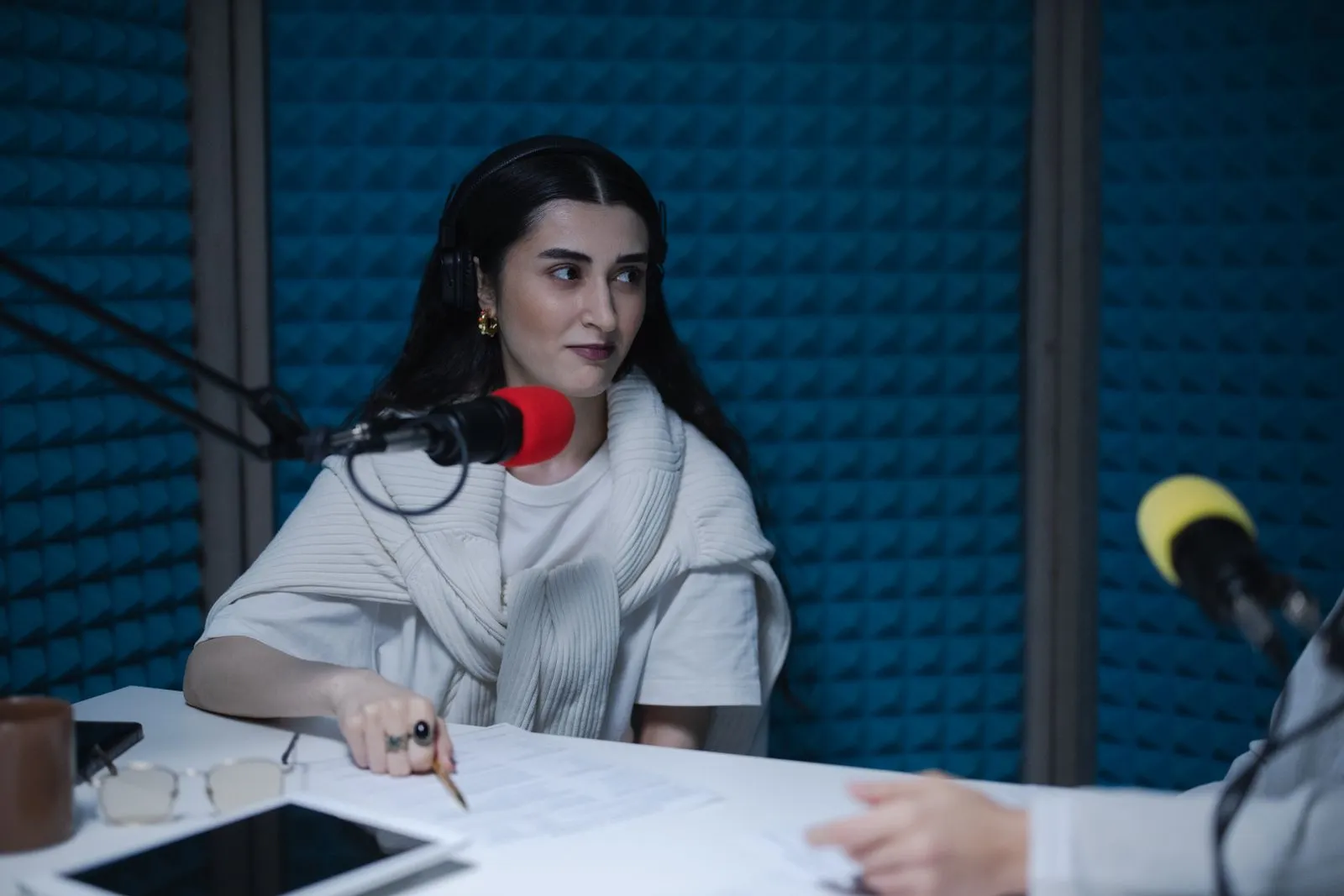
A local podcast makes you the voice of your market. Here is how AI takes you from idea to episode.
Podcast scripts for real estate agents are the highest-leverage content most agents never create. Everyone posts reels. Almost nobody hosts the show about their market. A local real estate podcast puts your voice in a listener's ears for twenty minutes, every week, while they drive, walk, or cook. That is the deepest attention in marketing.
The reason agents do not podcast is not equipment. It is the blank page: what do I talk about, how do I structure it. AI removes those barriers. It generates episode ideas, writes outlines and scripts, drafts interview questions, and turns each recording into titles, show notes, and promotional posts. You bring the voice and the local knowledge. For listing episodes, start from a finished description: the Listing Description Generator gives the episode its talking points. The same outline-first approach works for video: Video Scripts for Agents: Reels, TikTok & Shorts With AI (2026) covers the short-form version.
Why a Local Podcast Beats Another Reel
Reels compete with the entire internet for three seconds of attention. A podcast competes with silence during a commute. The listener who finishes your twenty-minute episode on "what $500,000 buys in Riverside right now" trusts you more than the viewer who watched your reel for four seconds. Depth beats reach when the goal is a listing consultation.
The second advantage is guests. Every episode with a local expert puts you in front of their entire network, because guests promote their own episodes.
The third advantage is repurposing. One episode becomes a blog post, five social clips, an email, and a dozen quote graphics. AI does the repurposing in minutes. The podcast is the content engine; everything else is the exhaust.
The podcast positioning brief
"I am a real estate agent in [city/market] starting a local podcast. Help me position it: (1) 5 show name ideas that include my market and sound professional, not cheesy; (2) a one-paragraph show description for podcast directories, 80 to 100 words; (3) 3 reasons a local podcast beats social media for winning listings, specific to a real estate agent."
Why it works: a show with a clear promise ("what your money buys in [city], every week") attracts the right listeners from episode one.
Choose a Format You Can Sustain for a Year
The format that fails is the one you cannot maintain. Three formats work for solo agents. The solo commentary: you, fifteen minutes, one topic, no guest logistics. The interview: you plus a local expert, twenty-five minutes, built-in distribution through the guest's network. The market roundup: monthly, you plus a lender or fellow agent, numbers and predictions.
Pick one format and commit for a full year. A weekly fifteen-minute show you actually publish beats a monthly hour-long production that dies at episode four.
The format picker
"I am a solo real estate agent in [city] with about 2 hours a week for a podcast. Compare 3 formats: (1) weekly 15-minute solo commentary; (2) biweekly 25-minute local expert interviews; (3) monthly 30-minute market roundup with a co-host. For each: time required, growth potential, and the biggest risk. Then recommend one format and explain why in 3 sentences. End with a 12-month publishing calendar template for the recommended format."
Why it works: it forces an honest time budget before you buy a microphone. Shows die from vague intentions.
Generate a Quarter of Episode Ideas in One Sitting
Thirteen episode ideas, generated once, removes the weekly "what do I talk about" panic for a full quarter. The idea mix that works: market explainers, neighborhood spotlights, buyer and seller education, local expert interviews, and behind-the-scenes transaction stories. Every idea should be specific to your market.
Generate the quarter in one AI session and slot the ideas into your calendar.
The quarter-long idea generator
"Generate 13 podcast episode ideas for my local real estate show in [city/market]. Mix: 3 market explainers tied to current conditions, 3 neighborhood spotlights, 3 buyer or seller education episodes, 2 local expert interview episodes (suggest the expert type and 3 questions each), and 2 behind-the-scenes transaction stories. For each: a working title, a 2-sentence description, and the takeaway. Every idea specific to [city]."
Why it works: batching separates creative work from production work. The takeaway is the quality filter: no clear takeaway, no episode.
Write Outlines and Scripts That Sound Human
The format that sounds human: a detailed outline with talking points, plus scripted openers, transitions, and closers. You improvise the middle from bullet points. The result sounds conversational because it mostly is.
Feed AI your talking points and tell it to write for the ear: short sentences, contractions, spoken transitions. Then read the draft aloud once and fix anything your mouth trips over.
The episode script builder
"Write a podcast episode script from my outline. Topic: [episode topic]. My talking points: [paste 5 to 8 bullets with your facts, numbers, and opinions]. Structure: a 60-second scripted opener with a hook; 3 segments, each with a spoken transition line and my talking points expanded into conversational notes (not word-for-word); a scripted closer with one call to action. Write for the ear: short sentences, contractions, spoken transitions. Total target: 15 minutes of audio."
Why it works: scripted openers guarantee a strong start, where listeners decide to stay.
Titles, Descriptions, and Show Notes That Get Found
Podcast SEO is real and almost nobody does it. The title should contain the topic and the market: "What $500K Buys in Riverside Right Now" beats "Episode 12: Market Chat." Show notes get timestamps, links mentioned, and a guest bio when there is one.
AI drafts all of it from your recording notes in minutes. Publish the notes on your website as a blog post, and the episode earns search traffic too.
The episode packaging kit
"Package my podcast episode for publishing. Topic and notes: [paste your episode summary or transcript highlights, guest name and title if any]. Output: (1) 5 title options, each under 60 characters, including [city] or the topic keyword; (2) a 100-word episode description for directories, written for humans; (3) show notes with timestamps for 3 to 4 segments, links mentioned, and a 2-sentence guest bio; (4) 3 tags or categories. No clickbait, no ALL CAPS."
Why it works: most agent podcasts publish with titles like "Episode 7" and empty descriptions, which makes them invisible in search.
Interview Local Experts Without Awkward Prep
Interviews are the growth engine: guests bring audiences. The prep that prevents awkward episodes takes twenty minutes with AI: research the guest, draft eight questions in a logical arc, and prepare two follow-up prompts per question for when answers run short.
Send the guest the questions in advance. During the recording, your only job is listening.
The guest interview prep pack
"Prepare me to interview [guest name, role, business] on my local real estate podcast in [city]. Output: (1) 8 interview questions in a logical arc: their story, their expertise applied to [city], practical advice for buyers or sellers, and a light closer; (2) 2 follow-up prompts for each question in case answers run short; (3) a 60-second guest introduction I can read; (4) 3 things I should know about [their industry] to sound informed. Questions conversational, not interrogation-style."
Why it works: follow-up prompts turn a three-word answer into a story without awkward silence.
Record and Publish Without the Tech Headache
The tech bar is lower than you think. A modest USB microphone in a quiet room with soft furnishings beats a cheap mic in an echoey office. Record with free software like Audacity. Edit lightly: trim the start, remove long pauses, normalize volume. AI transcription tools generate the transcript you need for show notes and the blog version.
Publish through a podcast host, which distributes to Apple, Spotify, and everywhere else automatically. The whole pipeline, once set up, is under an hour per episode.
The setup and publishing checklist
"Give me a complete podcast setup and publishing checklist for a solo real estate agent beginner. Sections: (1) minimum viable equipment list with budget options, total under $150; (2) recording space setup in 5 steps; (3) recording software options, free or cheap, with one-line pros and cons; (4) a 10-step editing checklist for a clean episode; (5) publishing steps from finished audio to live on Apple and Spotify. Mark pricing or plan details with [VERIFY]."
Why it works: tech overwhelm kills more podcasts than bad content. Episode one with a modest mic beats episode zero with an expensive mic.
Promote Every Episode Across Your Channels
An unpublished episode helps nobody. The promotion kit per episode: five short video clips with captions for Reels, TikTok, and Shorts; three quote graphics; one email to your list; one LinkedIn post; and the blog version on your website.
The highest-converting asset is the guest clip: tag the guest, and their network sees your show. The second highest is the email to your list.
The episode promotion pack
"Create a full promotion pack for my podcast episode. Episode summary: [paste summary or transcript highlights, guest name if any]. Output: (1) 5 short-form video scripts (30 to 45 seconds each) with hook, 3 beats, and caption, for Reels and TikTok; (2) 3 quote graphics text options, under 20 words each; (3) a 120-word email to my client list announcing the episode; (4) a LinkedIn post under 150 words; (5) an SEO blog post outline repurposing the episode for my website."
Why it works: repurposing is the economics of podcasting. One hour of recording becomes two weeks of content across every channel.
Frequently Asked Questions
How much does it cost to start a real estate podcast?
Under $150 for the minimum viable setup: a decent USB microphone, free recording software, and a podcast host with a free or low-cost tier.
How long should my episodes be?
Fifteen to twenty-five minutes for a solo agent show. Long enough to go deep on one topic, short enough to fit a commute. Listener drop-off climbs steeply past thirty minutes for new shows.
Do I need video for my podcast?
Not to start. Audio-only is simpler, faster, and perfectly fine for Apple and Spotify. Add video later if you want YouTube distribution: record with your phone on a tripod while you capture audio on the microphone.
How do I get guests for a local real estate podcast?
Start with people who already want visibility: mortgage lenders, contractors, stagers, local business owners. The pitch is simple: a twenty-five-minute conversation about their expertise, promoted to your audience. Most local experts welcome the exposure.
How long before a podcast generates business?
Plan on six months of consistent episodes before expecting inbound. The early wins come faster: guests who become referral partners, past clients re-engaged by your emails, and listing consultations where the seller says "I have been listening to your show."
The Shortcut
Want every prompt in this article plus 200 more, ready to copy and paste? The AI Prompt Pack for Real Estate Agents is the shortcut: idea generators, script builders, interview prep packs, show note templates, and promotion packs, all written for how agents actually work.
Get the AI Prompt Pack, $39, instant download →
Related reading: Real Estate Buyer Seminars With AI: Fill Seats, Fill Pipelines · Video Scripts for Agents: Reels, TikTok & Shorts With AI (2026) · Real Estate Email Sequences With AI: The Complete System (2026)
Get the AI Prompt Pack, $39, one time (opens in new tab). 209 prompts that write listings, ads and follow-ups like these, ready to paste.