 AIPrOoHub
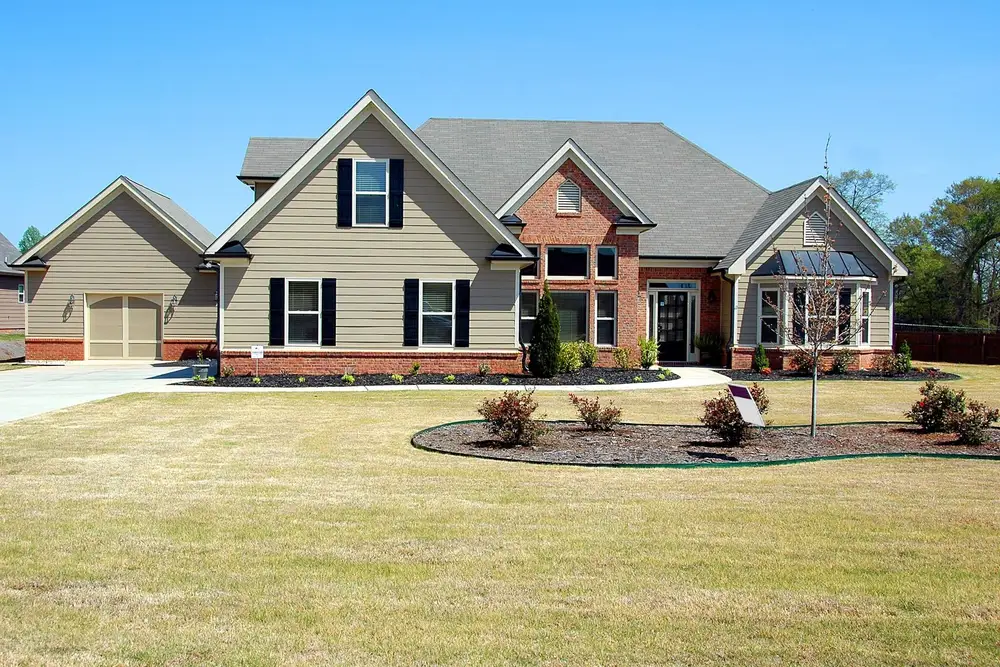
How top agents use AI to build annual home equity check-in campaigns that turn past clients into repeat listings, one personalized report at a time.
A home equity check-in is a short annual home equity report you send to every past buyer, personalized with their estimated value, equity position, and one or two smart next moves. Done well, it is one of the highest-value touches in real estate: it reaches people who already trust you at the moment many wonder what their home is worth. AI now handles the research, personalization, and follow-up writing, turning a weekend project into two hours.
Many homeowners hold substantial equity, rate moves have made refinance and move-up math work for many households, and every agent is chasing the same small pool of new listings. The agent who shows up yearly with real numbers, plain language, and zero pressure owns the relationship when that homeowner decides to sell.
Why Annual Home Equity Check-Ins Win Repeat Business
Repeat and referral business drives a mature career, yet most agents treat past buyers like a closed chapter. They send a holiday card and wonder why a former client lists with a stranger three years later. The annual check-in fixes that with one touch that is personal, useful, and impossible to confuse with spam. Homeowners think about their home's value constantly. The agent who arrives with their actual numbers becomes the call they make when curiosity turns into intent.
AI changes the economics completely. Personalizing 100 reports used to mean 100 evenings at the kitchen table. Now AI drafts the narrative around each client's numbers while you verify the figures and make the calls the replies generate.
Prompt: The Repeat Business Case Builder
You are a real estate marketing strategist. I closed [NUMBER] buyer transactions in 5 years. Write a 200 word business case for an annual home equity check-in campaign worth [HOURS] of work per year. Include the repeat business math, the cost of losing one past client listing to a competitor, and one sentence reframing this from chore to asset. Direct, coach-like, no fluff.
Why it works: it makes the cost of skipping concrete, turning vague intention into a committed system.
Build Your Check-In List Before You Write a Word
Export every closed buyer from the past five to seven years. You need four fields per contact: full name, property address, purchase date and price, and a working email or mailing address. Sixty clean contacts beat 200 where half bounce. Segment before you personalize: recent owners under two years, mid-term owners of three to six years who are prime move-up candidates, and long-term owners of seven plus years sitting on life changing equity. AI segments a spreadsheet in seconds.
Set one rule going forward: every new closing enters the system within 30 days, tagged with the purchase anniversary month. That anniversary anchors their annual report and spreads your workload across the year.
Prompt: The Sphere Segmenter
I will paste a CSV of past buyers: name, address, purchase date, purchase price, email, phone. Segment into recent owners under 2 years, mid-term 2 to 6 years, long-term 7 plus years. For each group write a one paragraph strategy note with the best call to action for their check-in. Flag rows missing fields. Sortable table output.
Why it works: it turns a raw export into a plan with the right message for each homeowner life stage.
The Anatomy of a Strong Annual Home Equity Report
The best report fits on one page and takes under three minutes to read. Open with a personal line only you could write: the dog's name, the kitchen they renovated. Then the numbers: estimated current value, purchase price, equity gained, and loan balance if known. Keep it scannable, because readers skim straight to the figures.
The middle is where AI earns its keep: a short paragraph interpreting the numbers for this household. A young family with 40 percent equity gets move-up math. A retiree with the mortgage nearly gone gets downsizing options. Same data, different story, drafted in seconds. Close with one soft call to action: "If you are curious what this means for your plans, reply and I will run the numbers for your street." Before you write the narrative, run the household's numbers through the Seller Net Sheet Calculator so every figure in the report is solid.
Prompt: The One Page Report Builder
Write a one page annual home equity check-in report for [NAMES], [ADDRESS], bought [MONTH YEAR] for $[PRICE], value $[VALUE], equity $[EQUITY], segment [RECENT/MID-TERM/LONG-TERM], personal detail [DETAIL]. Include: 2 sentence personal opener, 4 key figures, 120 word plain language interpretation for their life stage, 2 sentences of renovation ROI notes, one soft call to action. Warm, no jargon.
Why it works: it enforces the one page discipline and personal opener that separate reports that get read from recycled ones.
Getting the Numbers Right Without Acting as the Appraiser
Your credibility lives or dies on the numbers. Start with an automated valuation, then check it against three to five genuinely comparable recent sales nearby. If the two disagree by more than about 10 percent, widen the comp set before anything goes out. Ten minutes of checking beats one awkward conversation about an indefensible number.
Language matters as much as math. Every report carries a disclaimer: figures are estimates for planning, not an appraisal, with a full market analysis available on request. Frame values as ranges: "homes like yours sold between $485,000 and $520,000 this year" beats a false precision like $502,347. Keep every word fair housing safe: describe the property and the numbers, never assumed buyers. The walkthrough in AI Seller Net Sheets: Turn Equity Math Into Listing Wins covers equity conversations with the same care.
Prompt: The Compliant Value Framer
Rewrite this value paragraph to be accurate, defensible, and fair housing compliant: [PASTE PARAGRAPH]. Express value as a comp-supported range, add a one sentence estimate disclaimer, remove language describing ideal buyers or demographics, keep under 100 words. Then list claims a regulator or unhappy client could challenge.
Why it works: it stress tests your numbers language before clients see it, catching risky phrasing while fixes are cheap.
Equity Position Renovation ROI and Refi or Sell Signals
The numbers tell homeowners what they have. This section tells them what it unlocks: "You own roughly 45 percent of your home outright, about $210,000." That is a 20 percent down payment on a $900,000 move-up home, or a renovation budget that never touches savings. Add one or two renovation ideas matched to the home's age and tier with honest payback framing, phrased as suggestions. Be useful even to the homeowner who decides to stay put.
Then add the signals: refinance if their rate sits meaningfully above current offerings, sell if equity unlocks a down payment they lacked two years ago, hold when staying put is genuinely smart. Recommending "hold" when true is the fastest trust builder in this business.
Prompt: The Equity Signal Finder
Snapshot: price $[PRICE], year [YEAR], value $[VALUE], balance $[BALANCE], rate [RATE]%, age [AGE], tier [TIER]. Calculate equity in dollars and percent. Write: 1) 3 sentence plain language summary, 2) two renovation ideas with honest ROI framing, 3) refinance or hold call with rate math, 4) sell signal if supported or clear hold if not. Under 250 words, no hype.
Why it works: it answers "so what should I do" with math instead of generic encouragement.
The Campaign Cadence That Keeps You Top of Mind
One report a year is the anchor, wrapped in two lighter touches. Six months after the report, send a short market note with two or three fresh nearby comps and one sentence of your take. Then a relationship touch tied to something human: the purchase anniversary, a holiday, a local event. The report does the heavy lifting; the touches keep the name warm.
Time the report to each client's purchase anniversary month. It feels intentional and spreads production across the year. If your list is new, stagger the first cycle across one quarter and let anniversaries take over in year two. For the mid-year note use newsletter discipline: one local stat, one short interpretation, one reply-inviting question. The playbook in Real Estate Market Newsletter Ideas That Get Opened (2026) is built for exactly this kind of touch.
Prompt: The Twelve Month Cadence Planner
Build a 12 month touch calendar for my equity check-in campaign: [NUMBER] past buyers, 3 segments, anniversaries spread across the year. Per month show: which segment gets the annual report, the two lighter touches and their recipients, the channel for each, and the one metric to check at month end. Month by month table plus a 5 bullet checklist for the busiest month.
Why it works: it turns "stay in touch" from a guilt trip into a calendar with owners, channels, and a scoreboard.
Turning Check-Ins Into Listing Appointments
Plan for replies before you send. Most fall into three buckets: curiosity ("is that real?"), timing ("we have been thinking about it"), referrals ("my sister needs this"). Draft a template for each with AI, then personalize. Speed matters enormously: an hour feels like great service, three days feels like an afterthought.
For curiosity replies, offer the detailed street analysis as a call or kitchen table visit, not another PDF: "The honest answer depends on two sales on your block. Can I swing by Thursday with the full breakdown? Fifteen minutes, no pitch." That converts readers into appointments. Track send date, reply, and outcome in a spreadsheet; after one cycle you will know your reply rate and cost per appointment. For dormant contacts beyond this, Past-Client Reactivation Campaigns With AI: Win Back Your Sphere covers complementary win-back sequences.
Prompt: The Check-In Reply Handler
I sent annual equity check-in reports and got this reply: "[PASTE REPLY]". Classify as curiosity, timing, or referral. Draft my response under 120 words: warm, specific to what they wrote, ending with one low pressure next step. Add a 2 sentence phone script if they say yes. No pushy language.
Why it works: it removes the hesitation that kills conversions by scripting the first sixty seconds.
Frequently Asked Questions
How often should I send a home equity check-in?
Once a year per client, anchored to their purchase anniversary month. More frequent reports feel like pressure. Wrap the annual report in two lighter touches, a mid-year market note and one relationship touch, to stay present without wearing out the welcome.
Is it legal to send estimated home values to past clients?
Yes, with the right framing. Disclose that figures are planning estimates, not an appraisal, express value as a comp-supported range, and offer a full market analysis on request. Sharing market information is exactly what clients expect from their agent.
What if the estimate comes in lower than the homeowner expects?
Lead with honesty and context. Show the comps behind the number, explain what is moving the local market, and separate short term noise from the long term trend. Homeowners respect a straight answer over an inflated one, and the truthful agent earns the listing when the market turns.
Should I mail the report or email it?
Do both when the budget allows; mail it if you must choose one. A physical one pager gets opened, kept on the counter, and shown to a spouse. Use email for the lighter mid-year touches: cheaper, trackable, suited to short updates.
How do I start if my CRM data is a mess?
Start with what you have. Export every identifiable closed buyer, fill the four minimum fields, and send the first cycle to clean contacts only. Add every new closing within 30 days. Waiting for perfect data means waiting forever.
The Shortcut
If you want every prompt in this article plus 200 more, ready to copy and paste, the AI Prompt Pack for Real Estate Agents is the shortcut: equity reports, value framing, renovation ROI notes, signal scripts, reply handlers, and cadence planners, all written for how agents actually work.
Get the AI Prompt Pack, $39, instant download →
Related reading: AI Seller Net Sheets: Turn Equity Math Into Listing Wins · Past-Client Reactivation Campaigns With AI: Win Back Your Sphere · Real Estate Market Newsletter Ideas That Get Opened (2026)
Get the AI Prompt Pack, $39, one time (opens in new tab). 209 prompts that write listings, ads and follow-ups like these, ready to paste.